BLOGS
How to Clean HVAC Coils?
Properly cleaning furnace coils is one of the most effective residential HVAC maintenance tasks you can perform to ensure your system runs efficiently and effectively. However, while some basic upkeep can be handled at home, scheduling a professional AC service ensures a deeper and more thorough inspection of your entire system. Over time, the evaporator and condenser coils in your AC system can accumulate a significant layer of dust, dirt, and grime. This buildup obstructs airflow and insulates the coils, hindering the crucial heat exchange process. The result is a less efficient system, higher energy bills, and reduced indoor air quality. This guide will walk you through the steps for safe and effective AC coil dirt removal, helping you restore your unit's performance.
HVAC Coils and Their Role in Cooling Systems
To understand the importance of cleaning, it's essential to know what your HVAC coils do. Your AC system has two sets of coils: the evaporator coil and the condenser coil. Together, they work to move heat from inside your home to the outside.
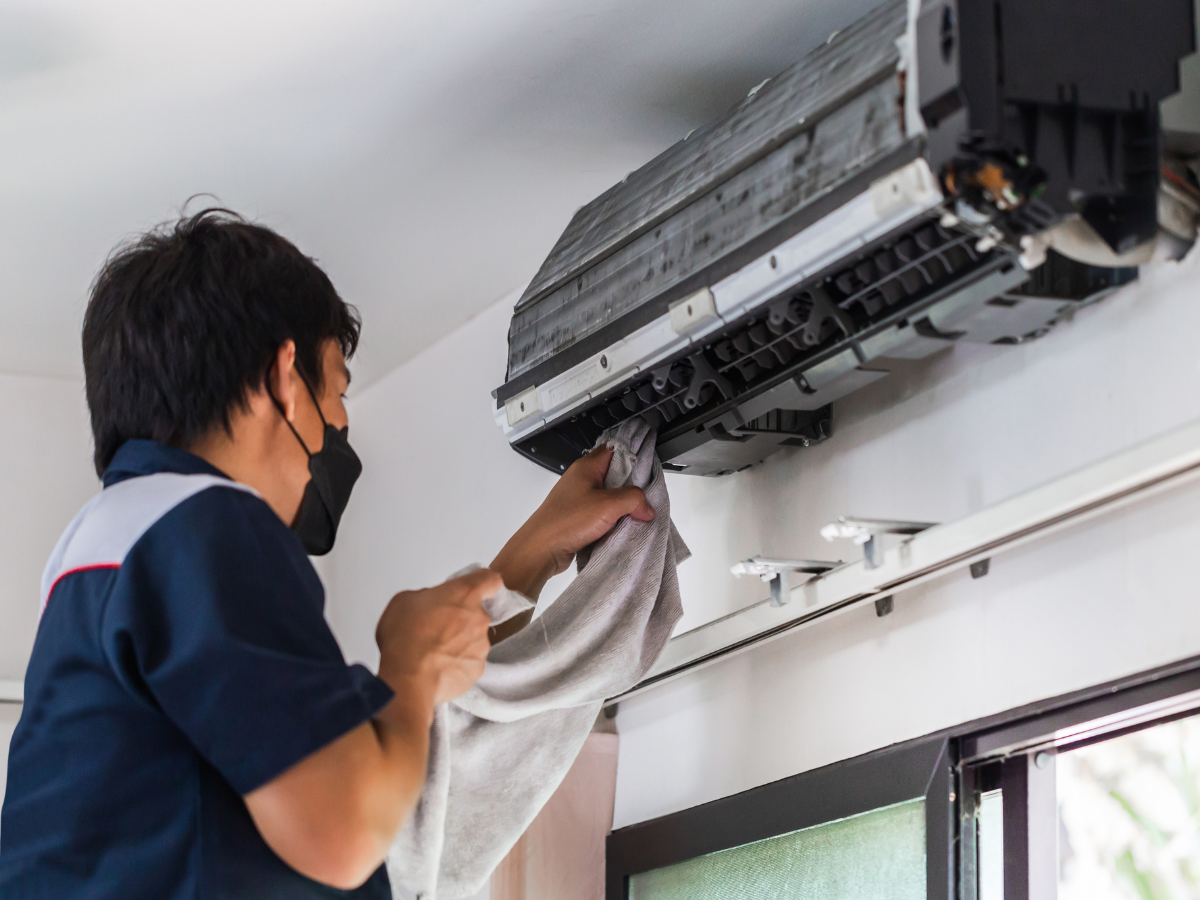
Evaporator Coil: Located inside your home within the indoor air-handler unit, the evaporator coil absorbs heat from your indoor air. As the refrigerant flows through this coil, it evaporates from a liquid to a gas, which makes the coil cold. Your blower fan pushes air over this cold coil, and the cooled air is then distributed throughout your home.
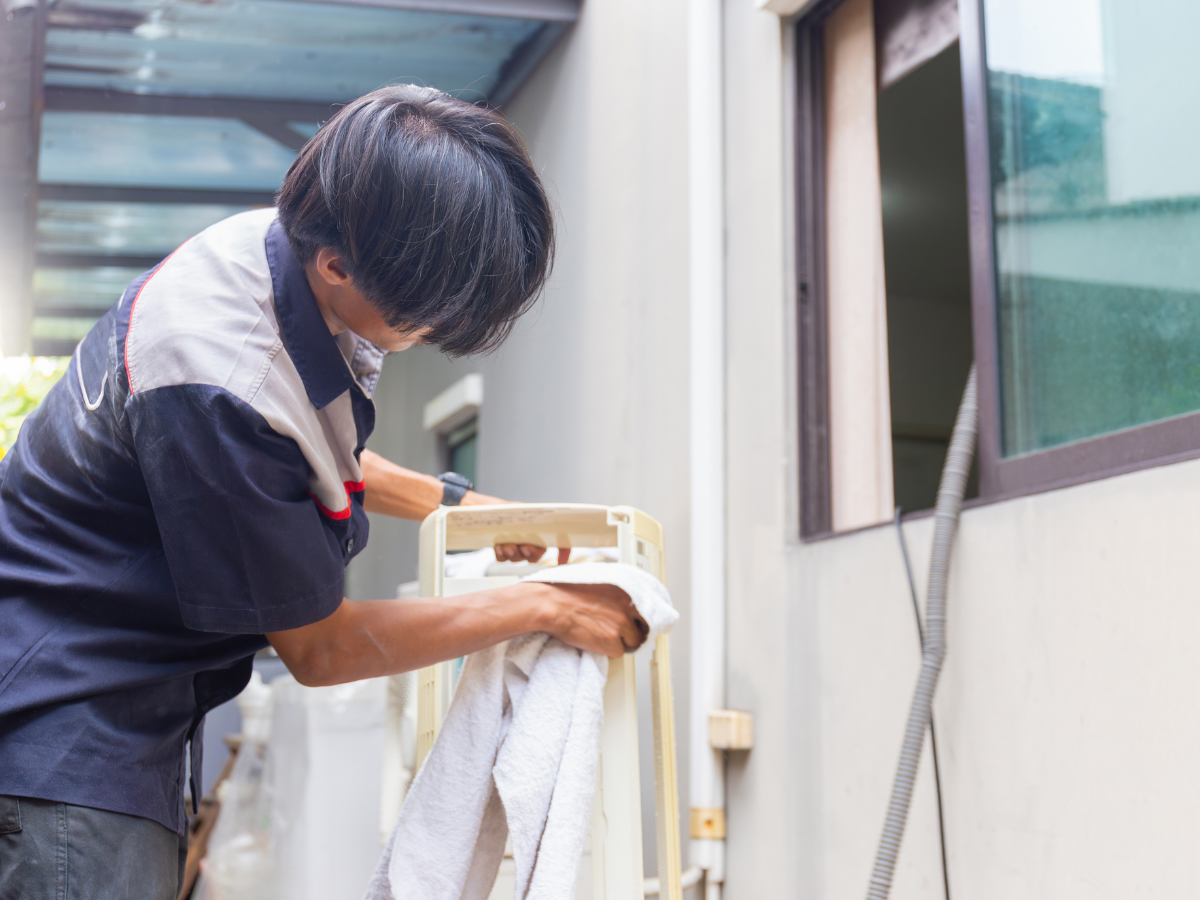
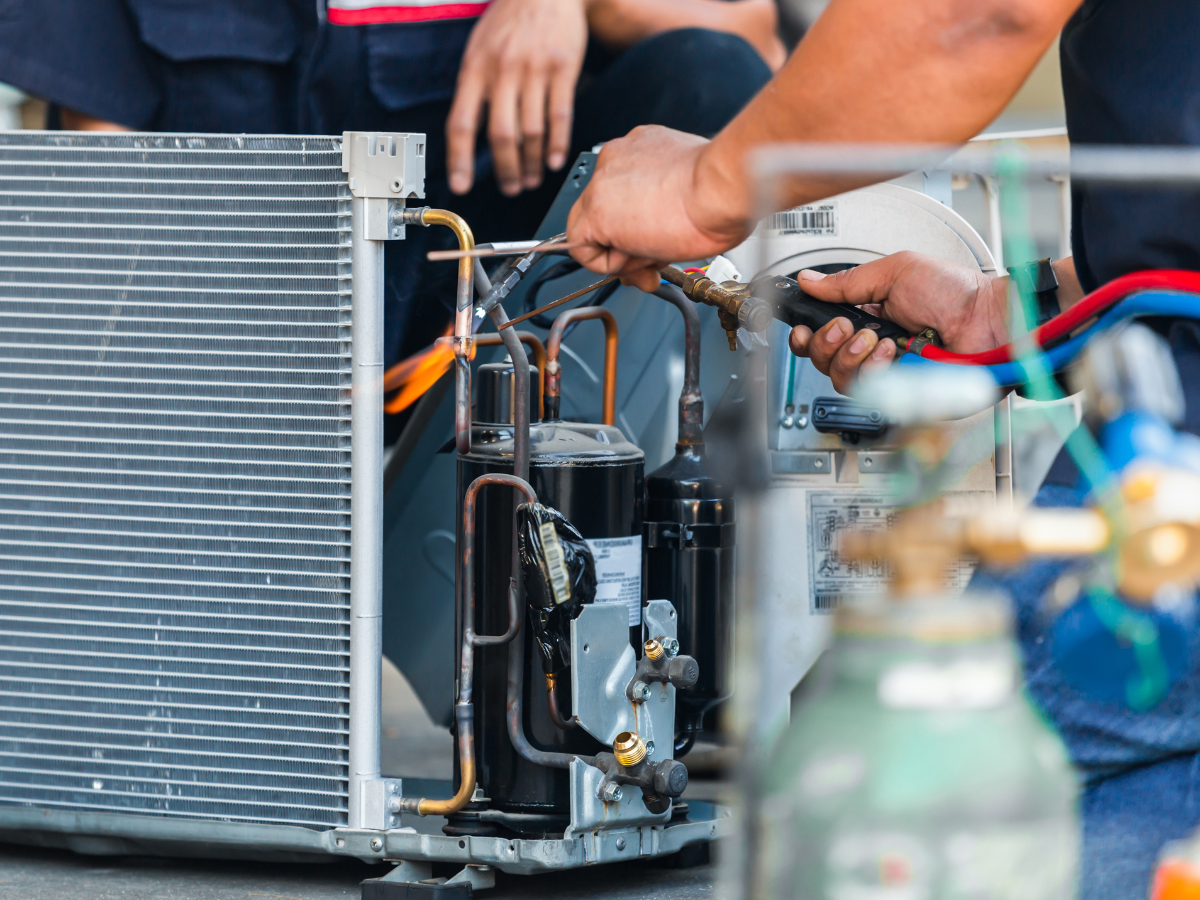
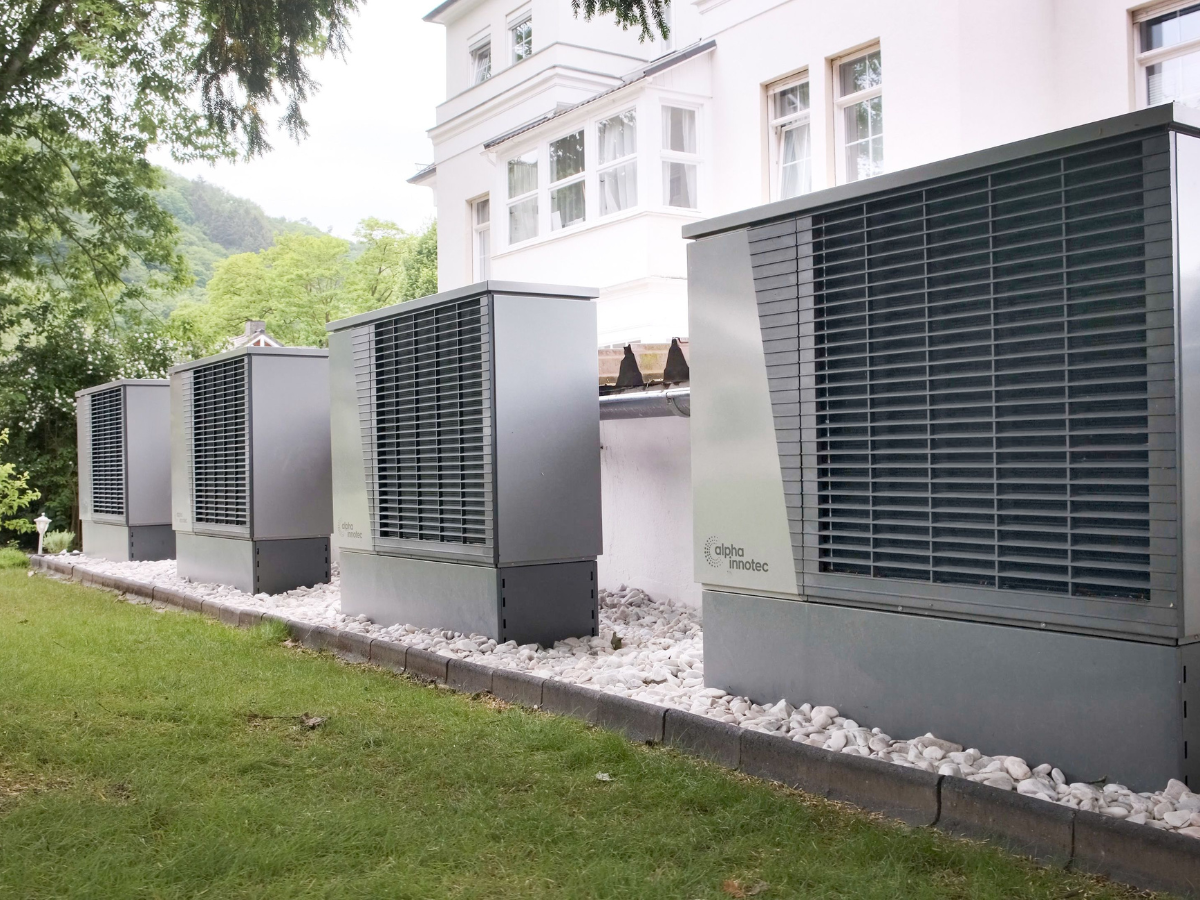
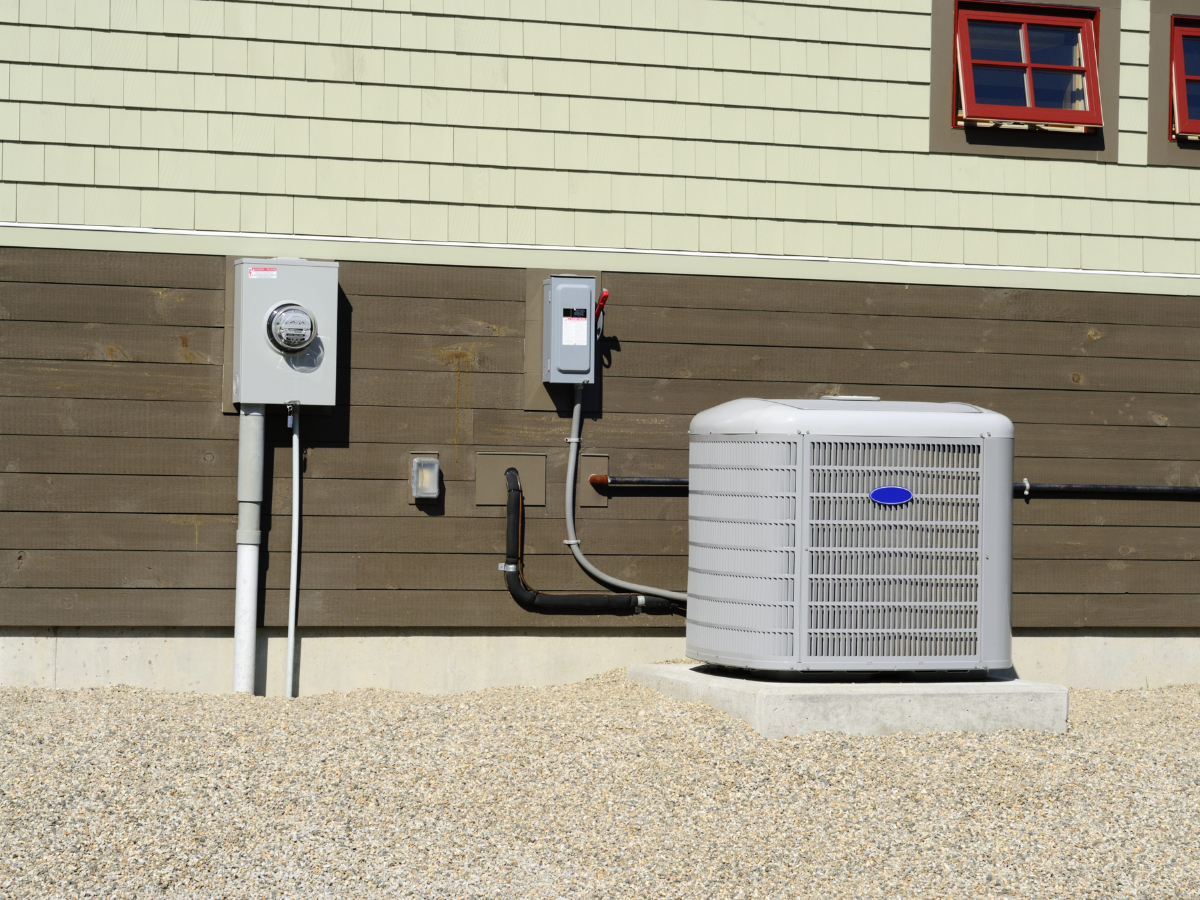
Condenser Coil: Housed in the outdoor unit, the condenser coil releases the heat that was absorbed indoors. The refrigerant, now a hot gas, travels to the condenser coil. A large fan pulls outdoor air through the coil, cooling the refrigerant and allowing it to condense back into a liquid, releasing its heat into the outside air. This continuous heat exchange process is what cools your home.
Signs Your HVAC Coils Need Immediate Cleaning
Your HVAC system will often show clear signs when its coils are dirty. Ignoring these can lead to more significant problems and costly repairs. Look out for these indicators:
- Reduced Cooling Performance: The system struggles to cool your home, or some rooms are warmer than others.
- Increased Energy Bills: Dirty coils force your AC system to work harder and run longer, leading to a noticeable spike in your electricity costs.
- Restricted Airflow: You may notice weaker airflow coming from your vents.
- Ice Buildup: A dirty evaporator coil can't absorb heat properly, causing condensation to freeze on its surface.
- System Overheating: The outdoor unit may frequently shut off because the dirty condenser coil can't release heat effectively.
Essential Tools and Materials for Cleaning HVAC Coils
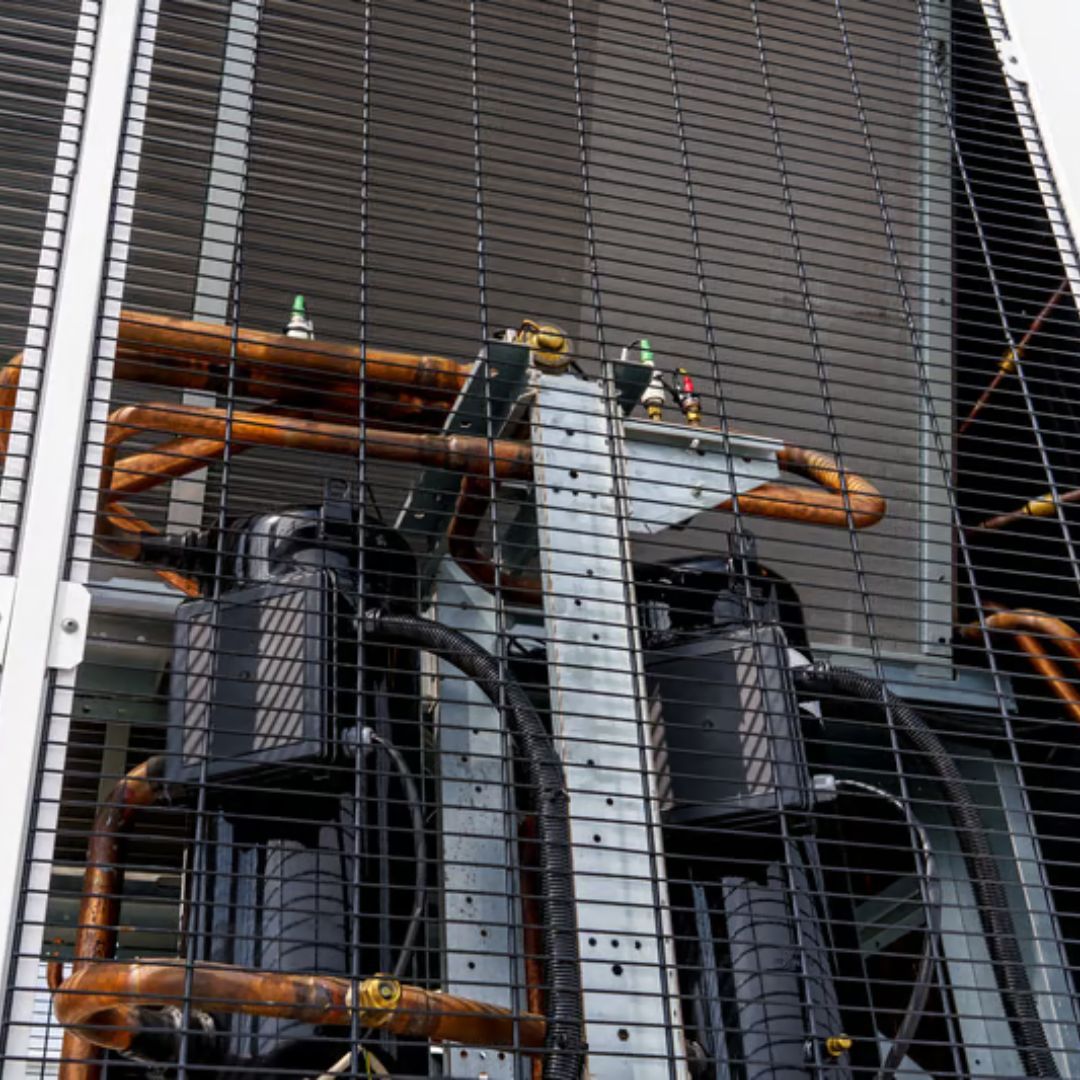
Before you begin your air conditioner coil maintenance, gather the right tools to do the job safely and effectively. You will need:
- Safety Gear: Gloves and safety glasses are a must.
- Soft Brush: A brush with soft bristles to avoid damaging the delicate coil fins.
- Commercial Coil Cleaner: Use a non-acidic, foaming coil cleaner specifically designed for HVAC use. Many are available as no-rinse formulas for evaporator coils.
- Spray Bottle: For applying cleaner or water.
- Garden Hose with a Spray Nozzle: For cleaning the outdoor condenser coil.
- Shop Vacuum: Useful for removing loose debris and cleaning the condensate drain line.
- Screwdrivers or Nut Drivers: To open the access panels on your HVAC units.
- Fin Comb: A special tool to gently straighten any bent fins on the coils.
Safety Precautions Before Cleaning HVAC Coils
Safety should always be your top priority. Before attempting any HVAC maintenance, follow these critical safety steps:
- Turn Off the Power: Locate the circuit breaker for both your indoor air handler and your outdoor condenser unit and switch them to the 'off' position. For the outdoor unit, there is often a disconnect switch in a box mounted on the wall near the unit that you should also turn off.
- Wear Protective Equipment: Put on your gloves and safety glasses to protect yourself from dirt, cleaning chemicals, and sharp metal edges.
- Ensure Proper Ventilation: If you are working on the indoor evaporator coil, make sure the area is well-ventilated, especially when using chemical cleaners.
Step-by-Step Process to Clean HVAC Evaporator Coils
The evaporator coil is located inside, so the AC evaporator coil maintenance process requires care.
- Access the Coil: Open the access panel on your indoor air handler. The evaporator coil is typically A-shaped and located just above the furnace and blower.
- Initial Cleaning: Use a soft brush to gently remove any loose dust and debris from the coil's surface. Always brush in the same direction as the fins to avoid bending them.
- Apply Coil Cleaner: Spray the evaporator coil thoroughly with a no-rinse foaming coil cleaner. The foam will expand and push dirt out from between the fins. The cleaner will then liquefy and drain away through the condensate drain line.
- Clean the Condensate Drain Pan and Line: While you're there, check the drain pan underneath the coil for standing water or clogs. Use a shop vacuum to clear any blockages from the condensate drain line to prevent water damage.
How to Clean Outdoor Condenser Coils Properly
The condenser coil cleaning process is straightforward but essential for HVAC system efficiency improvement.
- Clear the Area: Remove any leaves, grass clippings, weeds, and other debris from around the outdoor unit. Aim for at least two feet of clear space on all sides.
- Gently Rinse the Fins: Using a garden hose with a spray nozzle, gently spray the condenser fins from the inside of the unit out. This pushes the dirt and debris out instead of driving it deeper into the coil. Avoid using a high-pressure stream, as it can easily bend the delicate fins.
- Apply Cleaner (If Necessary): For heavily soiled coils, you can use a condenser coil cleaner. Spray it on and let it sit for the time recommended by the manufacturer before rinsing it off thoroughly.
- Straighten Bent Fins: Carefully inspect the fins. If any are bent, use a fin comb to gently straighten them to restore proper airflow.
- Reassemble and Restore Power: Once the coils are dry, you can restore power at the breaker and disconnect switch.
Common Mistakes to Avoid While Cleaning HVAC Coils
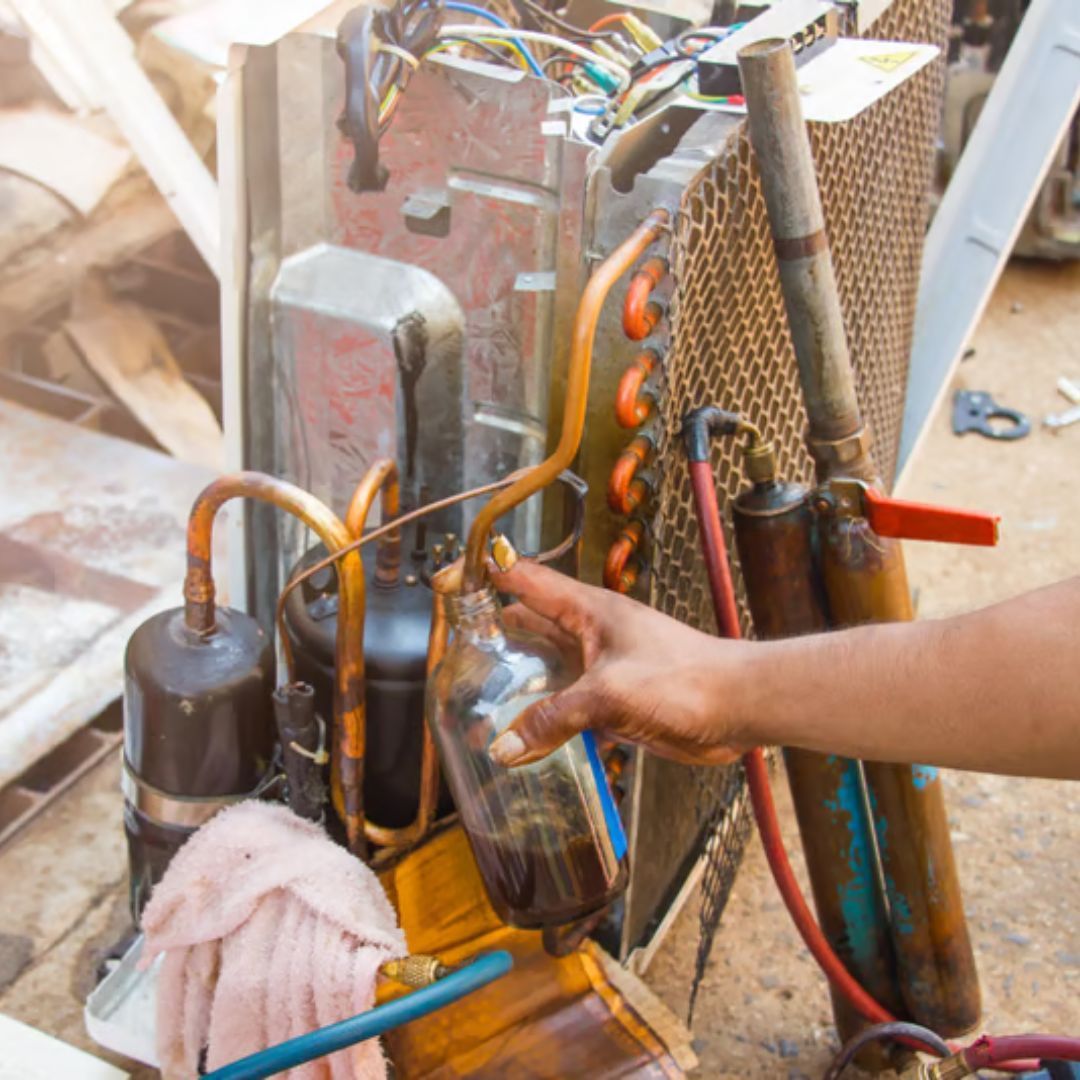
Using a Pressure Washer: The high pressure will damage the fragile aluminum fins.
Using the Wrong Chemicals: Acid-based cleaners or household detergents can corrode the coils.
Scrubbing Too Hard: Bending the fins will restrict airflow and reduce efficiency.
Forgetting to Turn Off Power: This is extremely dangerous and can lead to electric shock or damage to the system.
How Often Should HVAC Coils Be Cleaned for Best Performance
Professional residential HVAC maintenance usually requires annual coil cleanings. However, you may need more frequent service if you have:
- You live in a dusty area or near a construction zone.
- You have pets that shed fur and dander.
- Cottonwood trees or other plants that produce a lot of fluff are nearby.
Regular cleaning is key to HVAC system efficiency improvement. Clean components save energy, extend equipment life, and boost air quality. If you're uncomfortable doing it yourself, trust the experts at Air Master Inc to clean your furnace coils correctly.
Frequently Asked Questions
What happens if HVAC coils are not cleaned regularly?
If not cleaned, coils become caked with dirt, which insulates them and reduces their ability to transfer heat. This leads to decreased efficiency, higher energy bills, poor cooling, and potential system breakdowns.
Can I clean HVAC coils without professional tools?
Basic cleaning can be done with a soft brush and a garden hose. However, for deep cleaning or to address bent fins, specialized tools like fin combs and commercial-grade cleaners are recommended. For safety and best results, professional service is advised.
How long does it take to clean HVAC coils?
A DIY cleaning can take 1-2 hours, depending on how dirty the coils are. A professional service is typically faster and more thorough.
Is it safe to use water to clean HVAC coils?
Yes, it is safe to use a gentle stream of water from a garden hose on the outdoor condenser coil, provided the power is turned off. Never use a high-pressure washer. The indoor evaporator coil should not be rinsed with a hose; use a no-rinse cleaner instead.
Do HVAC coil cleaners require rinsing?
It depends on the product. Many cleaners for indoor evaporator coils are “no-rinse” and will drain away with normal condensation. Cleaners for outdoor condenser coils usually require a thorough rinse with water.
Conclusion
Regular HVAC coil cleaning is paramount for maintaining optimal system efficiency, extending its lifespan, and ensuring superior indoor air quality. Neglecting this crucial maintenance can lead to increased energy consumption, reduced cooling performance, and potential system failures. While many homeowners can perform basic cleaning, complex issues or a desire for thoroughness often benefit from professional expertise. Don't hesitate to contact certified HVAC technicians for expert assistance in keeping your system running smoothly. Read more about
ac maintenance tips.