BLOGS
Single-Stage vs. Two-Stage vs. Variable-Speed Furnaces
Three furnace quotes arrive, and each differs by a single word: single-stage, two-stage, or variable-speed. Those are the three main types of furnaces sold today, and the difference is how much heat they make at once. Single-stage runs at full power, two-stage has a low and a high setting, and variable-speed adjusts in small steps.
The Three Types at a Glance
- Burner output: Single-Stage: One setting, full power; Two-Stage: Low and high; Variable-Speed: Many levels, varies by model.
- Run pattern: Single-Stage: Short, full-power bursts; Two-Stage: Longer, gentler cycles; Variable-Speed: Long, steady, low cycles.
- Temperature swings: Single-Stage: Most noticeable; Two-Stage: Reduced; Variable-Speed: Smallest.
- Noise: Single-Stage: Loud starts and stops; Two-Stage: Quieter on low; Variable-Speed: Quietest.
- Upfront price tier: Single-Stage: Lowest; Two-Stage: Middle; Variable-Speed: Highest.
One caution: “variable-speed” sometimes describes only the blower motor. A furnace can have a variable-speed blower and still use a two-stage burner. Ask if the burner modulates, the blower varies, or both.
How Each Type Works
Each type differs in how it controls burner output and blower speed. These sections cover what you gain and what you give up with each one.
Single-Stage: Simple and Proven
Of all types of furnaces, a single-stage unit is the simplest. It is either off or at full blast, which means fewer parts that can fail and the lowest purchase price of the three.
The tradeoff is comfort. Rooms warm quickly, overshoot, and cool again, and the rush of air at startup can be noisy. It suits smaller homes, rentals, and tight budgets.
Two-Stage: The Middle Ground
A two-stage furnace spends most of a mild day on its low setting, which is well below full capacity. On the coldest nights, it shifts to high.
Longer, quieter cycles mean steadier room temperatures and more time for the filter to catch dust. For many families in a two-story home, this is the best balance of cost and comfort.
Variable-Speed: The Steadiest Heat
A furnace with a variable-speed blower and a modulating burner trims its output to match what the house needs at that moment. Air moves slowly and almost continuously, which evens out warm and cool rooms. Continuous airflow also improves filtration, since more of the home’s air passes through the filter over time.
It also pairs well with whole-home humidity control and zoning. The catch is price, and the smooth comfort only shows up when the ducts are sound.
A Cold Morning With Each Furnace
Picture the same house on the same January morning, as a hypothetical.
- Single-stage: The furnace roars on, pushes out hot air, and shuts off. The thermostat is satisfied, then the house drifts cool, and the cycle repeats.
- Two-stage: The furnace starts on low and stays on longer. Most of the morning passes without a noticeable blast.
- Variable-speed: The furnace runs low almost continuously, and the house barely changes in temperature.
Real results depend on the house, but the pattern holds.
What Should Shape Your Choice?
Staging is one factor among several. Efficiency, household habits, and your home's condition all affect which furnace makes sense.
Efficiency Is a Separate Question
Staging is not the same thing as efficiency. A single-stage furnace rated at 96 percent AFUE can be more efficient on paper than a two-stage model rated at 80 percent.
The AFUE rating measures how much fuel becomes heat. Staging affects how that heat is delivered, which shows up in comfort and noise. Ask for both numbers on every quote.
Which Household Fits Which Furnace?
These matches are starting points, not rules.
- Rental, starter home, or small floor plan: Single-stage keeps the price low and the system simple.
- Family home with two stories or a long layout: Two-stage handles the temperature gap between floors.
- Light sleepers, home offices, or allergy-sensitive households: Variable-speed offers quiet, steady airflow.
What Staging Cannot Fix?
No furnace, however advanced, can make up for thin insulation, drafty windows, or the wrong-size unit. Staging smooths out delivery. It does not repair the house around it.
How to Choose Among the Types of Furnaces
- Home size and layout: Multi-story and sprawling homes gain the most from staging.
- Time in the home: If you plan to stay a decade or more, comfort upgrades pay back in daily use.
- Noise: A furnace near a bedroom favors two-stage or variable-speed.
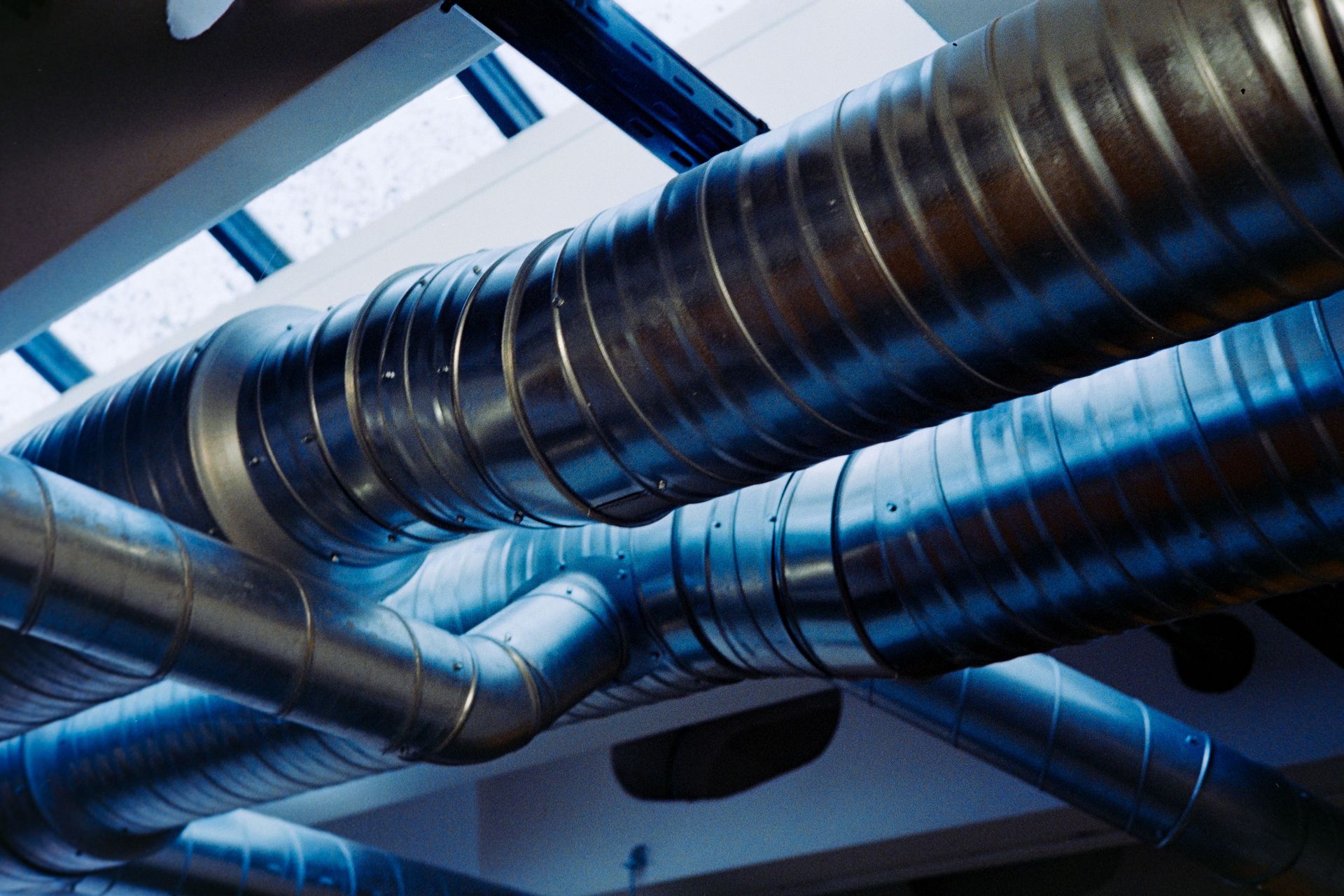
- Ducts: Leaky, undersized ducts undercut any furnace, so check them first.
Match the furnace to the house, not to the brochure.
Compare quotes the fair way. Ask for the same furnace size quoted at two different stages, so the price of each step up is clear. Air Masters offers a free quote for new heating equipment, and you can start by sending details through the contact page.
Frequently Asked Questions
Is a two-stage furnace worth the extra cost?
Often, yes, for larger or two-story homes. Longer low-power cycles even out temperatures and run quieter, though a small, well-sealed home may not notice much difference.
Do variable-speed furnaces use less energy?
They can. A variable-speed blower motor uses less electricity than a standard one, and modulating burners avoid constant on-and-off cycling. Actual savings depend on the home and ducts.
What are the main types of furnaces by fuel?
Furnaces commonly run on natural gas, propane, oil, or electricity. Staging describes how a furnace delivers heat, and it applies regardless of fuel type.
Can I switch from single-stage to variable-speed?
Yes. It is a replacement, and you should check the ducts, thermostat, and venting for compatibility.
How long does a furnace last?
Gas furnaces often last 15 years or more with regular maintenance, though lifespan varies with usage and installation quality.
Does a two-stage furnace need a special thermostat?
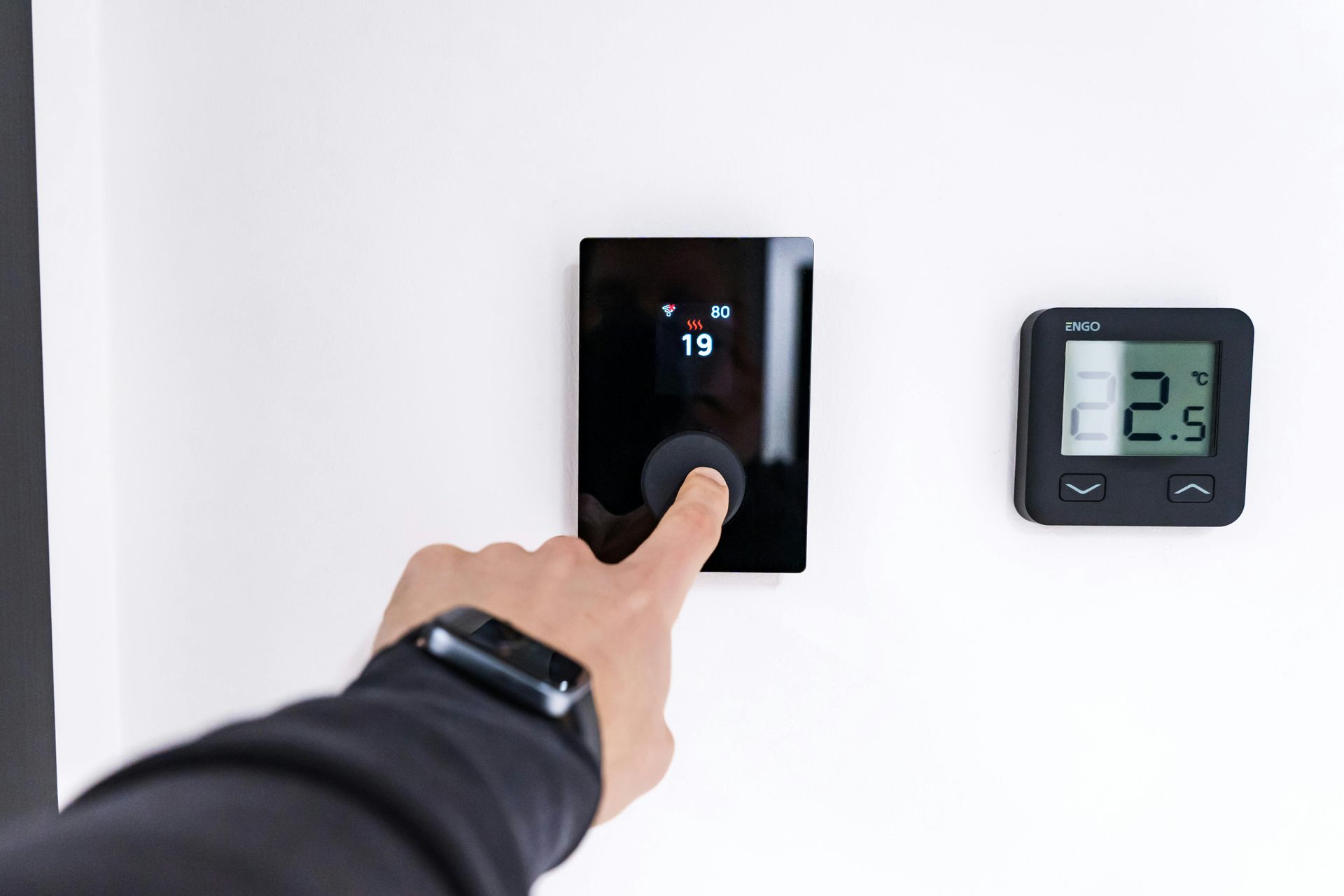
Often it does. A thermostat that supports multiple stages lets the furnace use its low setting properly, so confirm compatibility before choosing equipment.