BLOGS
What Size Furnace Do I Need? BTU Sizing and Load Calculations Explained
The right furnace matches your home’s heat loss on the coldest expected day, measured in BTUs per hour. Furnace sizing is a calculation, not a guess based on square footage. A unit that is too large or too small costs more to run and tends to wear out sooner.
What a BTU Tells You About a Furnace
A BTU, or British thermal unit, is a measure of heat. Every furnace lists two figures: input BTUs, the fuel it burns, and output BTUs, the heat that actually reaches your ducts.
Efficiency connects the two. AFUE, short for annual fuel utilization efficiency, is the share of fuel that becomes heat. A furnace with 80,000 BTUs of input and an AFUE of 80 percent delivers 64,000 BTUs. At 96 percent AFUE, the same input delivers about 76,800.
Size to the output, not the big number on the front of the box.
Why Square Footage Gives the Wrong Answer
Two 2,000 square foot houses can need very different furnaces. Insulation, window quality, air leaks, ceiling height, and how much of the house faces north all change how fast heat escapes.
A drafty older ranch with ducts in a cold attic can lose far more heat than a tighter, newer home with the same floor plan. Per-square-foot rules ignore all of that, which is why they so often land on a furnace that is too big.
How a Load Calculation Works
The accepted method is Manual J, published by the Air Conditioning Contractors of America. It estimates how much heat a house loses at the local winter design temperature, room by room.
- Measure every room, wall, ceiling, window, and door.
- Record insulation levels, window types, and how leaky the house is.
- Apply the design temperature for your area.
- Total the heat loss in BTUs per hour.
- Match equipment to that total using Manual S, then check the ducts against Manual D.
Air Masters lists load calculations as part of its HVAC installation work in Sapulpa, so the number on a quote should come from your house, not a chart.
What the Design Temperature Means
The design temperature is not the record low. It is a cold-day figure that local weather data says is exceeded only a small share of winter hours. Sizing for every extreme leaves the furnace oversized on nearly every other night.
A Worked Example With Hypothetical Numbers
Say a Manual J calculation finds a heat loss of 48,000 BTUs per hour at the design temperature. Furnaces are rated by input, so the AFUE rating decides which unit delivers that output.
- At 96 percent AFUE, a furnace with 50,000 BTUs of input delivers about 48,000 BTUs.
- At 80 percent AFUE, you would need roughly 60,000 BTUs of input to deliver the same heat.
Furnaces come in set sizes, so the usual pick is the nearest size at or just above the load, not the biggest one on the shelf. Jumping to 100,000 BTUs does not buy extra safety. It buys short cycling.
What to Have Ready for a Sizing Visit
Gathering a few details speeds up the work and improves the result:
- The age of the home and any additions
- Window types and any replacements
- Attic and wall insulation you know about
- Last winter’s gas bills
- Rooms that always run hot or cold
What Happens When the Furnace Is the Wrong Size
A Furnace That Is Too Big
- It short cycles, firing up and shutting off before the house evens out.
- Rooms far from the furnace stay cooler, and the airflow gets loud.
- Igniters, blowers, and heat exchangers face more starts and more wear.
A Furnace That Is Too Small
- It runs almost nonstop on cold nights and still trails the thermostat.
- Fuel use climbs while comfort drops.
- Every part works harder for longer, which shortens its life.
Three Sizing Mistakes to Avoid
- Rounding up for safety. Extra capacity feels like insurance, but it causes short cycling and uneven heat.
- Copying the old unit. The previous furnace may have been wrong from the start, or the house may have changed.
- Ignoring the ducts. Airflow limits what any furnace can deliver, no matter what the label says.
Ducts Can Change the Answer
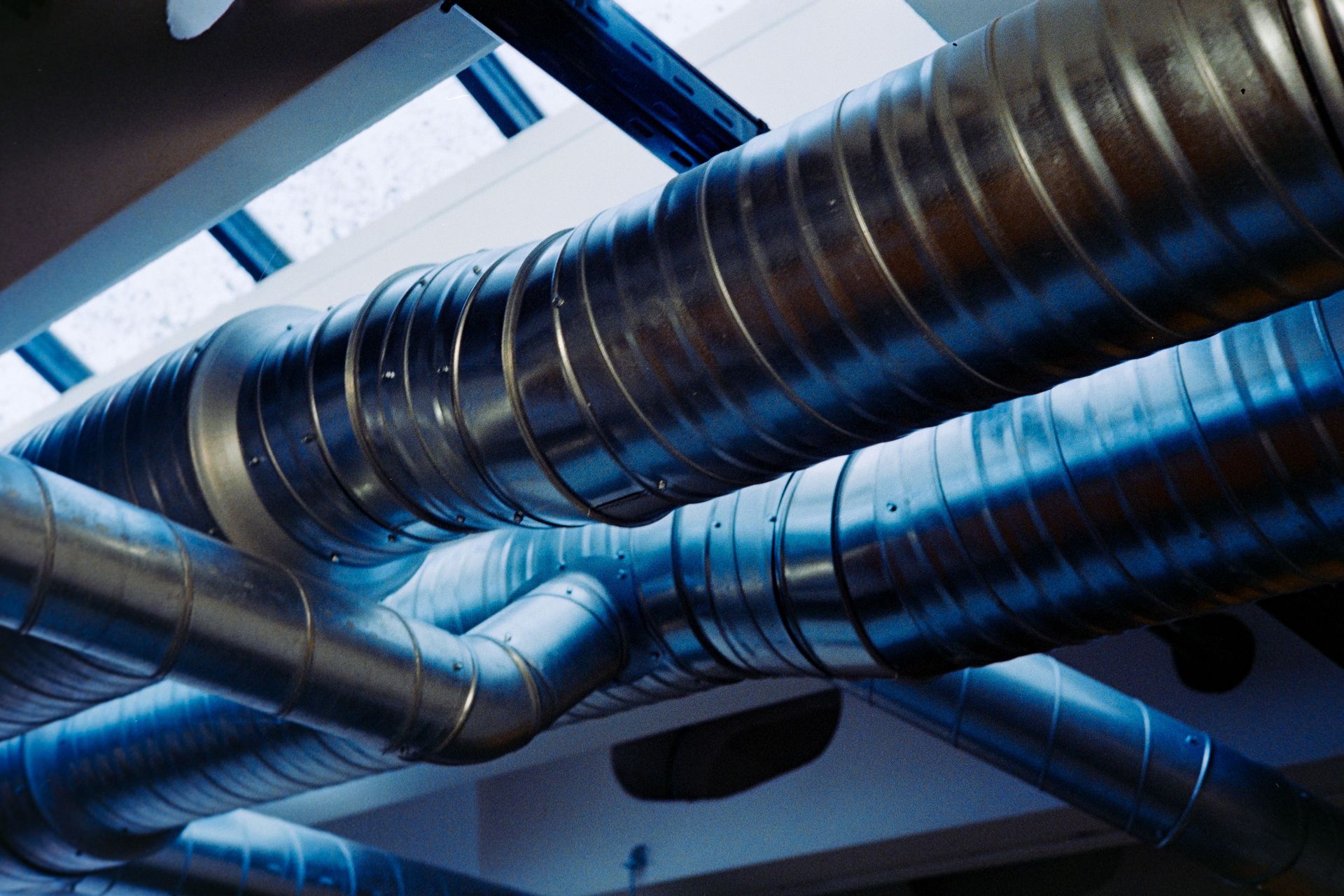
Good furnace sizing includes the ducts. A correctly sized furnace can feel too small when leaky or undersized ducts lose heat before it reaches the rooms.
The ductwork page at Air Masters covers design, replacement, cleaning, and maintenance, which is worth a look before you commit to a bigger unit.
Ask to See the Math
A reliable furnace sizing recommendation arrives with the calculation attached. If a quote gives only a BTU number, ask how it was reached, no matter who wrote it, including us. A written calculation also makes quotes easier to compare, because every bidder starts from the same number.
To talk through your own home, request a free quote or read about our heating installation services.
Frequently Asked Questions
Can I handle furnace sizing myself with an online calculator?
Calculators give a rough starting point. They cannot see your insulation, windows, or leaks, so they should not replace a Manual J load calculation.
Is a bigger furnace better for cold winters?
No. An oversized furnace short-cycles, heats unevenly, and wears out faster. The goal is a unit that runs in steady cycles on the coldest days.
How many BTUs per square foot do I need?
No single figure fits every home. The answer depends on climate, insulation, windows, and air leakage, which is why a calculation beats a rule of thumb.
Should I match the size of my old furnace?
Not automatically. The old unit may have been oversized, or your home may have changed through new windows, added insulation, or an addition.
What does AFUE mean on a furnace?
AFUE is the percentage of fuel turned into usable heat over a year. A higher rating means less fuel is wasted up the vent.
Does a two-stage or variable-speed furnace change the sizing?
The house's heat loss stays the same. A staged furnace matches its output to that load more closely, so the cold-day size still comes from the calculation.