BLOGS
Tips for Hvac Maintenance
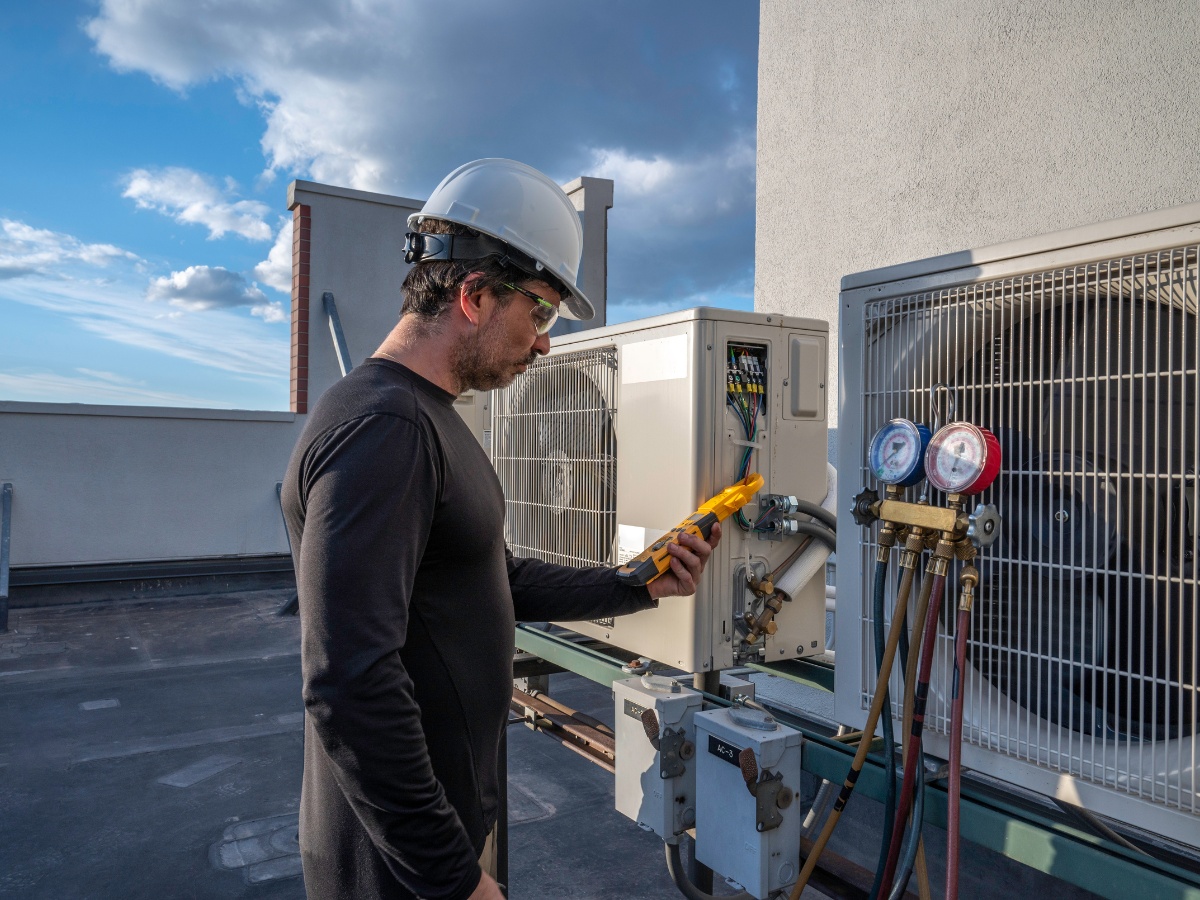
HVAC maintenance is one of the simplest ways to protect comfort, lower energy costs, and avoid unexpected system problems. Many homeowners only think about their system when something stops working, but small issues often start long before a breakdown happens. Dust buildup, clogged air filters, restricted airflow, or conditions like high head pressure in hvac systems slowly reduce efficiency and place extra strain on critical components, eventually leading to costly repairs if left unaddressed.
Following the right HVAC maintenance habits helps your system run smoothly year round. With a mix of simple DIY care and timely professional support, you can improve indoor air quality, extend system life, and reduce the need for repairs. The tips below focus on practical actions that homeowners can realistically follow.
HVAC Maintenance Really Means
HVAC maintenance is not just about one annual visit or changing a filter once in a while. It is a combination of routine checks, cleaning, and inspections that keep the system operating as designed. Regular maintenance also helps homeowners better anticipate the cost to repair HVAC issues by catching small problems early, before they turn into expensive breakdowns.
Proper HVAC maintenance includes:
- Keeping airflow paths clean and clear
- Monitoring system performance
- Addressing small issues before they grow
- Scheduling regular inspections
When these steps are followed consistently, HVAC systems maintain stable temperatures and operate more efficiently.
Why Regular Filter Changes Matter
Air filters play a major role in HVAC performance and indoor air quality. When filters become clogged, airflow is restricted and the system works harder to move air through the home.
Regular filter changes help:
- Maintain steady airflow
- Reduce dust and debris circulation
- Protect the air handler and blower components
- Improve indoor air quality
Most homes benefit from replacing air filters every one to three months, depending on usage and air quality conditions. Clean filters are one of the easiest and most effective HVAC maintenance steps.
How to Check and Clean Vents & Registers
Vents and registers distribute air throughout the home. When they are blocked or dirty, airflow becomes uneven and comfort suffers.
Simple vent and register care includes:
- Making sure furniture does not block airflow
- Removing visible dust buildup
- Checking that vents open and close properly
Clean vents support balanced airflow and help the system heat and cool rooms more evenly.
What to Inspect During DIY Seasonal Maintenance
Homeowners can safely handle several basic checks during seasonal HVAC maintenance. These steps help catch problems early.
DIY checks include:
- Listening for unusual noises during operation
- Checking thermostat settings and response
- Inspecting visible duct connections for damage
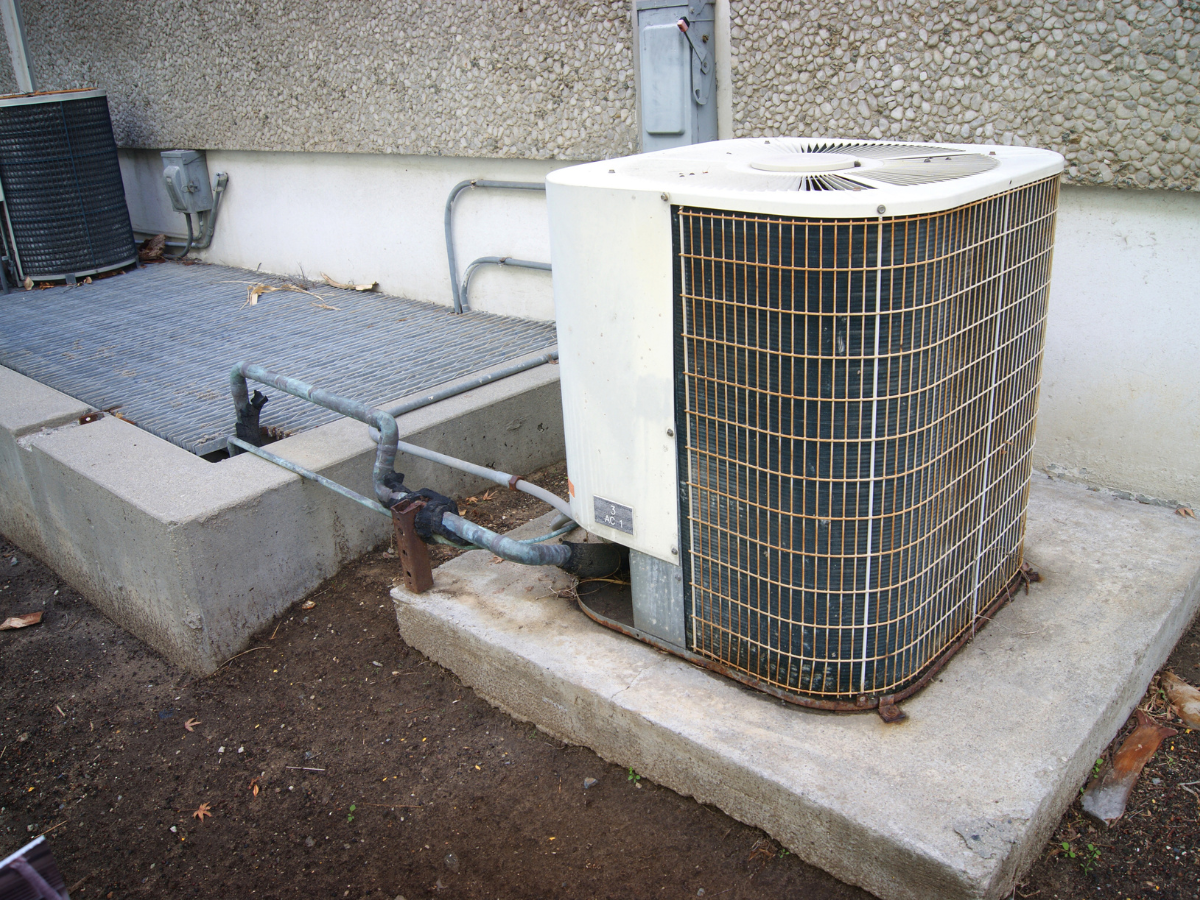
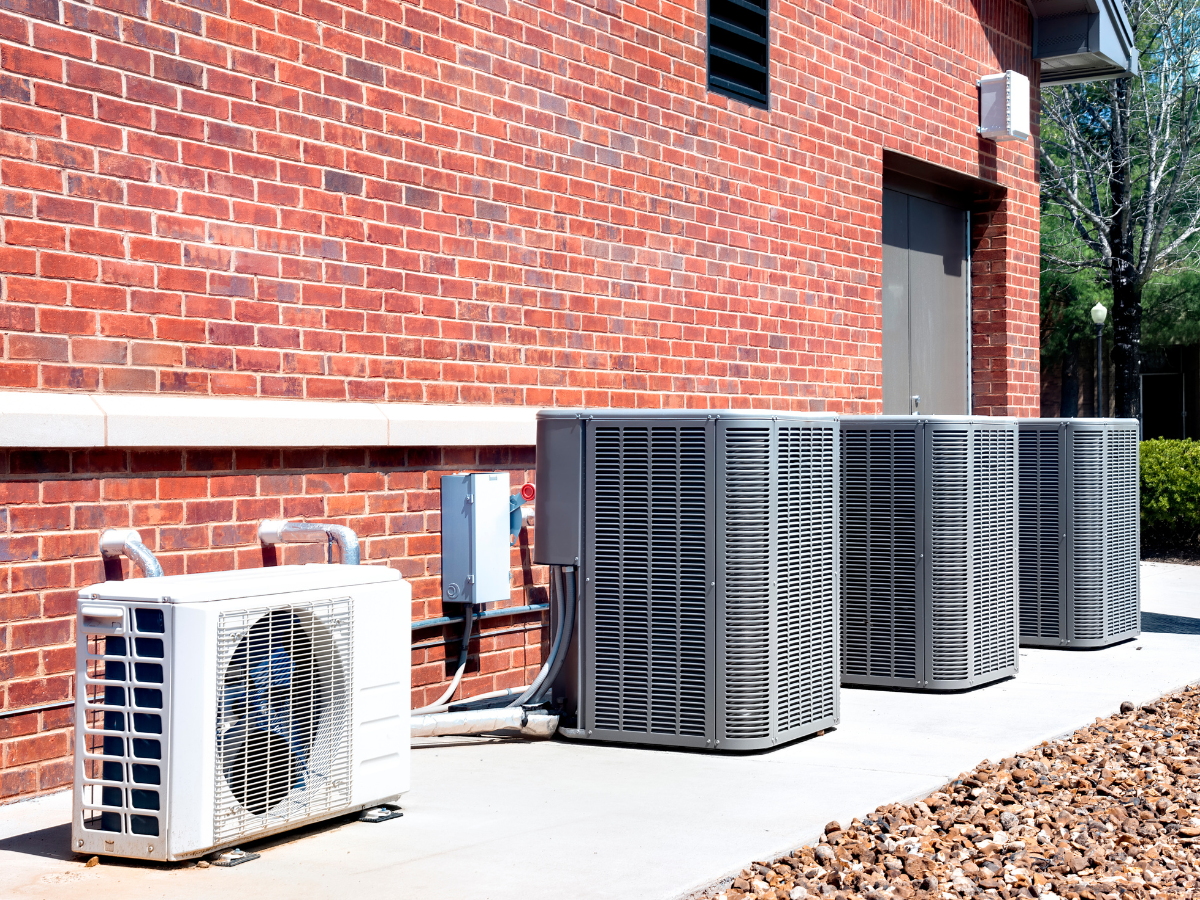
- Ensuring the outdoor unit area is clear
These inspections do not replace professional service, but they provide early warning signs that something may need attention.
Why Professional Tune Ups Are Worth It
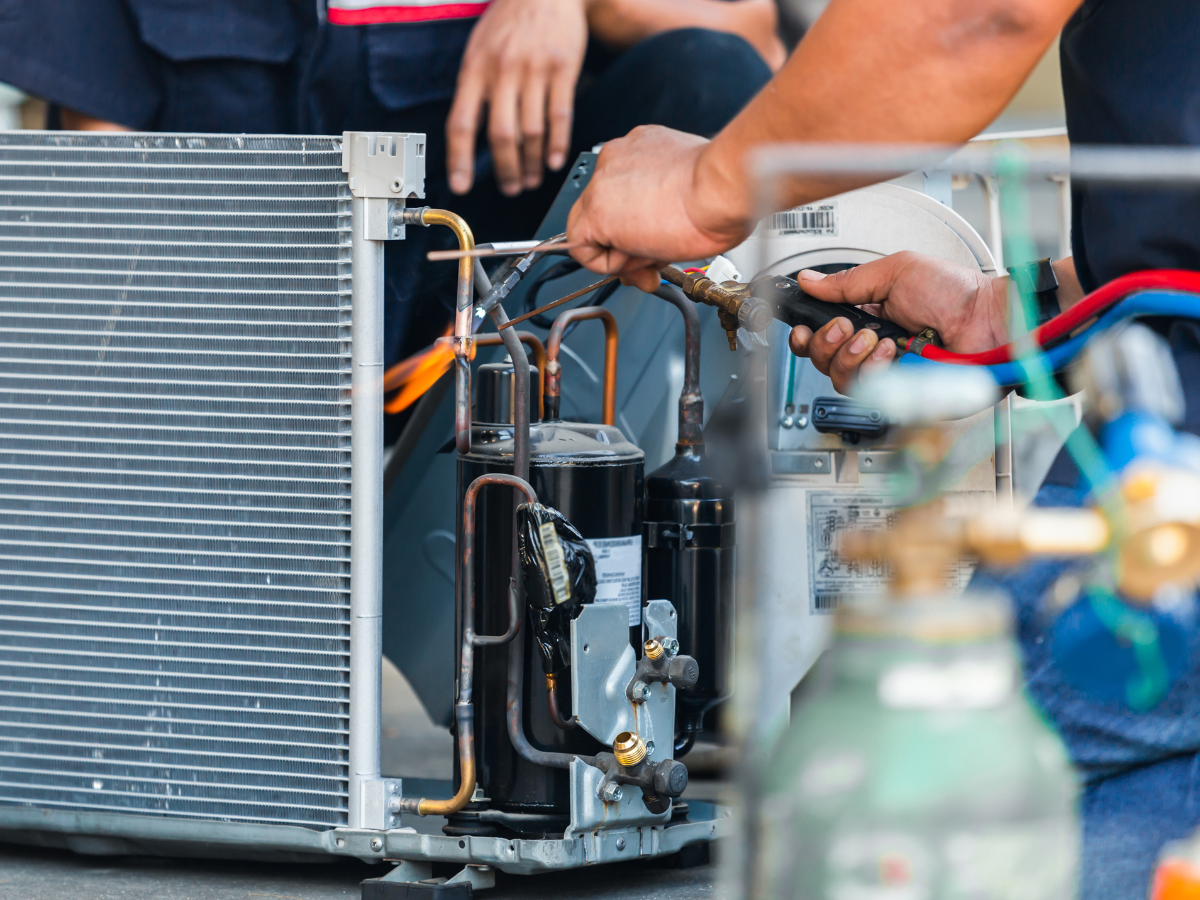
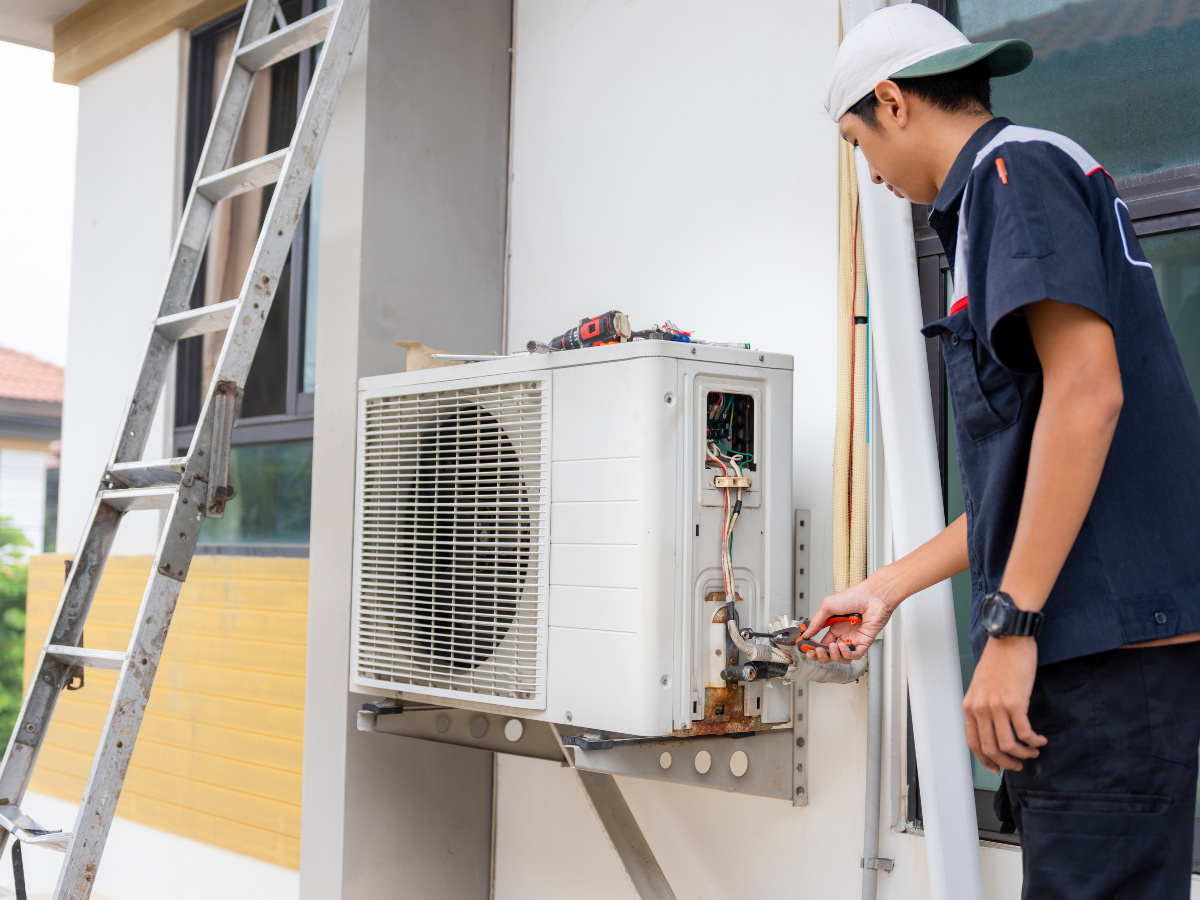
Professional tune ups go beyond what homeowners can safely do on their own. Trained technicians inspect internal components and system performance in detail.
Professional HVAC maintenance is valuable because it:
- Identifies hidden wear and electrical issues
- Verifies proper airflow and system balance
- Improves efficiency before peak seasons
- Reduces the risk of sudden breakdowns
Routine HVAC maintenance helps systems perform reliably and reduces long-term repair costs, and many homeowners often ask does hvac include heat, which is important to understand when ensuring both heating and cooling components are properly inspected and serviced.
How to Troubleshoot Common HVAC Issues
Some HVAC problems have simple explanations that homeowners can identify before calling for service.
Basic troubleshooting steps include:
- Checking if the air filter is clogged
- Confirming thermostat batteries and settings
- Ensuring breakers have not tripped
- Verifying vents are open
If problems persist after these checks, professional HVAC Repair may be needed to diagnose deeper system issues.
The Role of Furnace and Air Conditioning Maintenance
HVAC systems often include both heating and cooling components. Furnace maintenance and air conditioning maintenance are equally important for year round performance.
Balanced maintenance supports:
- Consistent heating and cooling
- Reduced strain on shared components
- Better overall system efficiency
Ignoring one side of the system often leads to issues that affect the entire setup.
How HVAC Service Plans Support Long Term Care
Many homeowners rely on HVAC service plans to stay consistent with maintenance. These plans help remove guesswork and missed appointments.
Service plans typically help by:
- Scheduling routine inspections automatically
- Providing consistent system monitoring
- Reducing emergency repair needs
Staying consistent with Hvac service reduces the risk of unexpected system failure.
Why Indoor Air Quality Depends on Maintenance
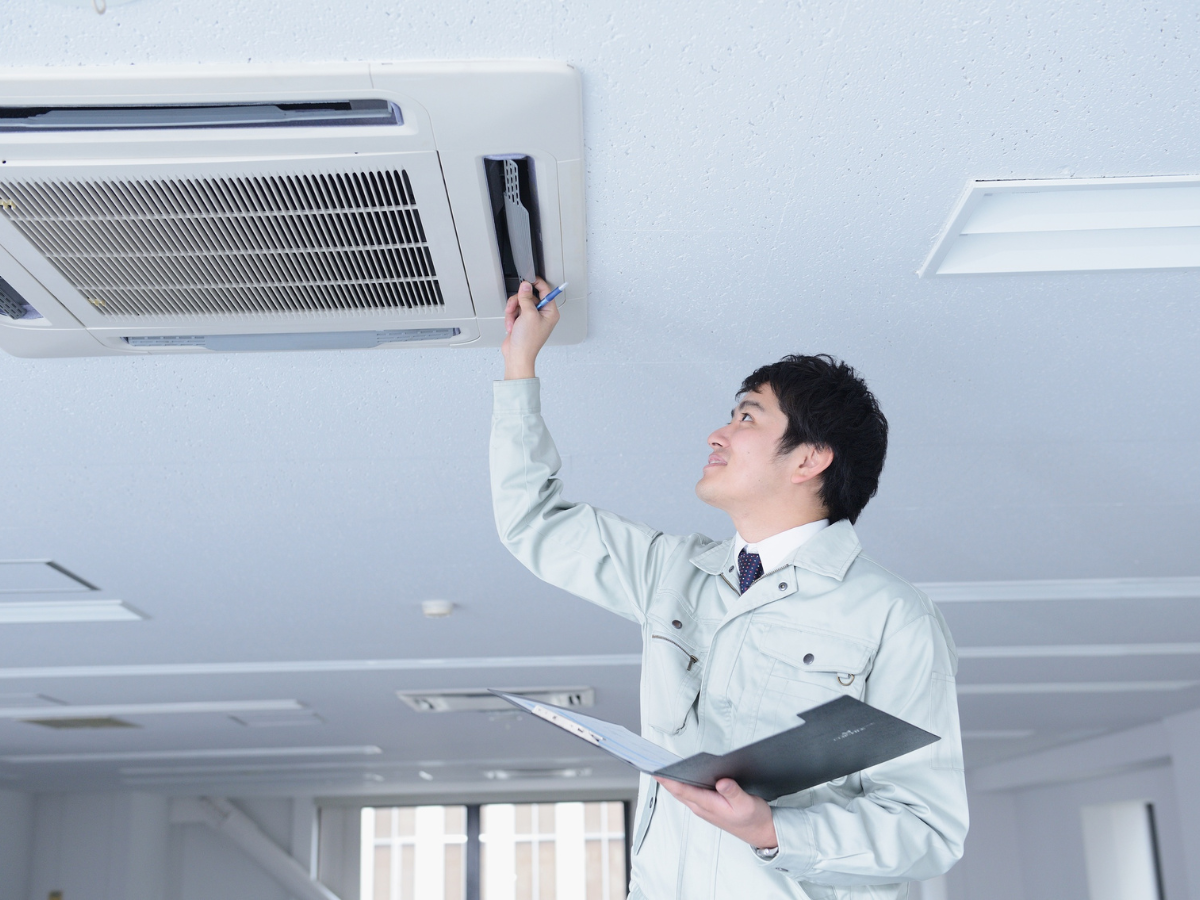
Indoor air quality is directly tied to HVAC maintenance habits. Dust, debris, and allergens circulate when systems are neglected, making solutions like a whole house air purifier an effective way to support cleaner air throughout the home.
Maintenance improves indoor air quality by:
- Keeping air filters clean
- Reducing buildup inside the system
- Supporting steady airflow
Clean systems move cleaner air through the home, improving daily comfort.
What Mistakes to Avoid During HVAC Maintenance
Some common maintenance mistakes can do more harm than good. Knowing what to avoid is just as important as knowing what to do.
Mistakes to avoid include:
- Skipping filter replacements
- Ignoring unusual noises or smells
- Blocking vents with furniture
- Attempting complex repairs without training
Avoiding these mistakes protects the system and reduces unnecessary damage.
Monthly HVAC Checks That Make a Difference
Monthly checks help homeowners stay aware of system conditions without much effort.
Helpful monthly habits include:
- Visual inspection of the air filter
- Listening for changes in system operation
- Making sure vents remain unobstructed
These small checks support long term HVAC maintenance success.
Seasonal Timing for HVAC Maintenance
Timing matters when it comes to maintenance. Servicing the system before peak seasons helps prevent breakdowns during extreme weather.
Best timing includes:
- Spring checks before cooling season
- Fall checks before heating season
Seasonal preparation improves reliability and performance when demand is highest.
How Maintenance Reduces Long Term Costs
Consistent HVAC maintenance helps control costs by preventing major system failures. Small issues addressed early cost less than emergency repairs.
Long term savings come from:
- Improved system efficiency
- Fewer unexpected repairs
- Longer system lifespan
Maintenance is an investment that protects comfort and budget.
When DIY Maintenance Is Not Enough
Some problems require professional tools and expertise. Knowing when to stop DIY efforts is important.
Professional help is needed when:
- The system shuts down repeatedly
- Airflow drops suddenly
- Unusual electrical issues appear
Timely professional service prevents further damage.
Conclusion
HVAC maintenance is not complicated, but it does require consistency. Simple steps like changing air filters, keeping vents clear, and paying attention to system behavior make a noticeable difference and can help prevent the need for an unexpected
heating fix during colder months. Combined with professional inspections and timely service, these habits improve performance, protect indoor air quality, and reduce repair needs. Following these HVAC maintenance tips helps ensure your system stays reliable, efficient, and ready for every season. Scheduling regular
Broken Arrow AC maintenance can help keep your cooling system operating at its best year-round.
Frequently Asked Questions
How Often Should I Change My Hvac Filter?
Most homes should replace air filters every one to three months, depending on usage and air quality.
What Is the Best Time of Year for Hvac Maintenance?
Spring and fall are ideal times to service HVAC systems before peak heating and cooling seasons.
Why Is Professional Hvac Servicing Important?
Professional servicing identifies internal issues, improves efficiency, and prevents unexpected breakdowns.
What Should I Check Monthly on My Hvac System?
Check air filters, listen for unusual noises, and ensure vents remain clear and unobstructed.