BLOGS
Carbon Monoxide and HVAC Safety in Catoosa Homes: What Every Homeowner Should Know
When winter temperatures settle over Catoosa, your furnace quickly becomes one of the busiest systems in your home. As long as it's working, everything seems fine.
But here's the thing: your furnace does more than heat your home. It also burns fuel, and like any fuel-burning appliance, it has the potential to produce carbon monoxide (CO).
Under normal conditions, that gas is safely vented outside. When something goes wrong, however, carbon monoxide can build up indoors without any obvious warning.
As carbon monoxide is colorless, odorless, and impossible to detect without an alarm, it's often called the "silent killer." The good news is that most carbon monoxide incidents are preventable.
With routine maintenance, working CO detectors, and a little awareness, you can significantly reduce the risk. That's why HVAC Safety Catoosa homeowners can trust starts with understanding how your heating system works and knowing when it needs professional attention.
Why Carbon Monoxide Is a Real Concern for Catoosa Homeowners
Carbon monoxide is produced whenever natural gas, propane, oil, or wood doesn't burn completely. Every gas furnace creates small amounts of CO during normal operation, but a properly functioning system safely vents those gases outside through the flue. The danger begins when that process is interrupted.
Many homes throughout Catoosa and the surrounding Tulsa area were built years ago and still rely on older furnaces or original ductwork. While these systems can continue performing well for many years, normal wear and tear eventually takes its toll. Components begin to age, connections loosen, and efficiency declines. If you're considering geothermal HVAC in Catoosa, it is another heating and cooling option worth evaluating for long-term efficiency. A professional can determine whether your property is suitable for a geothermal system.
Winter weather can also create additional risks. Ice storms and power outages sometimes lead homeowners to use portable generators or fuel-burning space heaters for temporary heat. Unfortunately, using these appliances inside garages, enclosed patios, or other poorly ventilated areas has contributed to numerous carbon monoxide poisoning incidents across Oklahoma.
The reality is that carbon monoxide isn't something homeowners should fear, but it is something they should prepare for. Practicing
HVAC Safety Catoosa families can rely on means of staying proactive instead of waiting until something goes wrong. Similar safety considerations apply to commercial facilities, where
school and daycare HVAC in Bixby requires careful attention to ventilation, heating equipment, and indoor air quality.
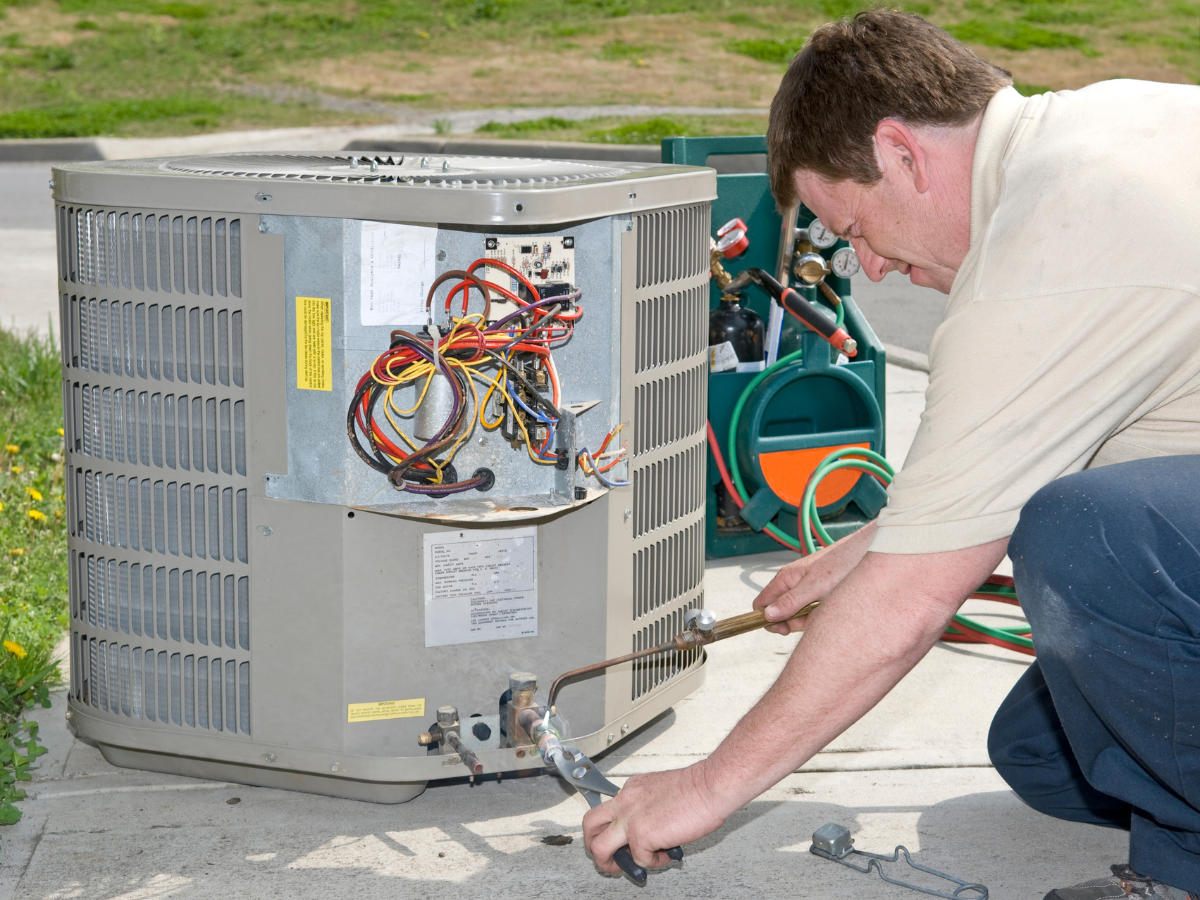
How Carbon Monoxide Can Enter Your Home Through Your HVAC System
Most people imagine a carbon monoxide leak happening because of a major equipment failure. In reality, it's usually caused by smaller mechanical problems that develop gradually over time.
A Cracked Heat Exchanger
Your furnace's heat exchanger separates the combustion gases from the clean air that circulates throughout your home. After years of repeated heating and cooling, the metal can begin to weaken and develop small cracks.
Even a tiny crack may allow carbon monoxide to mix with the air flowing through your ductwork, making it one of the most serious furnace issues a technician can discover during an inspection.
A Blocked or Damaged Flue
The flue is responsible for carrying combustion gases outside your home. If it's blocked by leaves, bird nests, debris, or even damaged by severe weather, those gases may not be able to escape properly.
Instead of venting outdoors, carbon monoxide can begin backing up into your living space.
Dirty Burners or Poor Combustion
Your furnace needs the right balance of fuel and air to burn efficiently. Dirty burners, improper gas pressure, or neglected maintenance can interfere with combustion, causing the system to produce more carbon monoxide than it should.
This is one reason annual furnace tune-ups are so valuable, they allow technicians to clean and adjust burners before efficiency and safety become concerns.
Restricted Airflow
Something as simple as a clogged air filter can make your heating system work much harder than necessary. Poor airflow places extra strain on the furnace and can affect combustion performance over time.
Changing your air filter regularly won't eliminate every safety risk, but it's one of the easiest ways to support HVAC safety Catoosa homeowners should practice every heating season.
Practical Tips for Maintaining HVAC Safety in Catoosa
Fortunately, protecting your family doesn't require complicated maintenance. A few simple habits can make a big difference.
Schedule Annual Furnace Maintenance
A professional furnace tune-up allows technicians to inspect the heat exchanger, test safety controls, clean burners, check venting, and identify worn parts before they become major problems.
Install Carbon Monoxide Detectors
Every home with fuel-burning appliances should have working carbon monoxide detectors.
For the best protection:
- Install one outside each sleeping area.
- Place at least one detector on every level of the home.
- Test alarms once a month.
- Replace batteries regularly.
- Replace detectors when they reach the end of their recommended lifespan.
Keep Furnace Areas Clean
It's common to use the utility room for storage, but avoid stacking boxes, paint cans, or household items around your furnace. Your heating system needs adequate airflow to operate safely, and clutter can interfere with ventilation or create additional fire hazards.
Outside your home, periodically check that exhaust pipes remain clear of leaves, snow, and nesting debris.
Replace Your Air Filter Regularly
Many homeowners underestimate how much a simple air filter affects furnace performance. Most filters should be replaced every one to three months, depending on the type of filter, pets, and indoor air quality.
It's a small task that supports both efficiency and Catoosa families throughout the winter.
Final Thoughts
Your furnace plays a vital role in keeping your home comfortable during Oklahoma's winters, but it also deserves regular attention to ensure it continues operating safely.
Carbon monoxide is a serious risk, but it's also one of the most preventable. Annual furnace maintenance, clean air filters, clear venting, and properly installed carbon monoxide detectors all work together to protect your home and family.
Protecting your home from carbon monoxide starts with having your heating system inspected by experienced professionals who know exactly what to look for.
Whether your furnace needs seasonal maintenance, repairs, or replacement, Airmaster Inc. offers dependable service backed by decades of industry experience. When it comes to maintaining
HVAC Safety Catoosa homeowners deserve, having the right HVAC partner makes all the difference.
Frequently Asked Questions
How often should I have my furnace inspected for carbon monoxide concerns?
Your furnace should be professionally inspected once a year, ideally in the fall before the heating season begins. Annual maintenance helps identify worn components, venting issues, and combustion problems before they become safety hazards.
Can an electric HVAC system produce carbon monoxide?
No. Electric furnaces and heat pumps don't burn fuel, so they don't produce carbon monoxide. However, if your home also has a gas water heater, gas fireplace, or attached garage, carbon monoxide detectors are still essential.
Where should carbon monoxide detectors be installed?
Install carbon monoxide detectors outside each sleeping area and on every level of your home. Follow the manufacturer's placement guidelines for the best protection and test each detector monthly.
Are older homes in Catoosa more likely to have carbon monoxide issues?
Older homes with aging furnaces, deteriorating vent systems, or deferred maintenance may face a higher risk of carbon monoxide problems. Regular inspections become even more important as HVAC systems age, helping ensure they continue operating safely and efficiently.