BLOGS
School and Daycare HVAC in Bixby: Meeting Oklahoma IAQ Standards
The demand on the HVAC systems in Bixby's schools and daycare centers is increasing.
School HVAC Bixby has become a priority for managers and principals of schools and daycare centers that are tired of burying their heads in the sand when it comes to issues of air quality.
Packed classrooms, old ventilation systems, and the humid conditions that Oklahoma experiences create a constant burden on the ventilation system. Indoor air quality (IAQ) has ceased to be just another item on the agenda. It is more of a safety issue that has to be addressed.
This guide outlines what Oklahoma IAQ standards entail, how school HVAC systems often fail to meet them, and what facility managers can do today.
Why IAQ Standards Matter for Bixby Schools and Daycares
Indoor air quality is an important consideration for schools and daycare facilities because children spend a significant amount of time indoors. Proper ventilation and HVAC performance help maintain healthier air, improve comfort, and create a better environment for learning and development.
- Children spend six to eight hours indoors in classrooms and daycare spaces, which means poor indoor air quality can affect concentration, attendance, and respiratory health.
- Poor ventilation can lead to increased carbon dioxide levels, stale air, headaches, fatigue, and difficulty focusing during classroom activities.
- School HVAC systems in Bixby facilities require more advanced ventilation than residential properties because classrooms often have 20 to 30 children sharing the same circulated air. Without proper airflow, indoor conditions can quickly become uncomfortable.
- Common indoor air quality concerns include asthma triggers, mold spores, dust buildup, airborne pollutants, and excess moisture caused by inadequate HVAC performance.
- Daycare facilities require extra attention because infants and toddlers are more sensitive to airborne contaminants, making proper filtration, ventilation, and HVAC maintenance essential.
- Following IAQ standards helps schools and daycares create safer, more comfortable spaces while supporting better learning conditions and meeting health and safety expectations.
These same principles apply to HVAC safety in Catoosa, where proper maintenance, ventilation, and equipment inspections help keep indoor environments safe and comfortable.
What Oklahoma and Federal IAQ Standards Actually Require
Oklahoma schools and licensed daycares fall under a mix of state building codes, EPA guidance, and industry ventilation standards. Regular air quality monitoring can help schools and daycare facilities track ventilation, humidity, and other indoor conditions before they become larger comfort or safety concerns. The main benchmarks include:
- ASHRAE 62.1 Ventilation Rates: Classrooms generally require about 15 cubic feet per minute (cfm) of outdoor air per occupant to effectively dilute indoor pollutants.
- EPA's IAQ Tools for Schools Framework: This program encourages facilities to conduct regular HVAC inspections, verify ventilation, and maintain documented maintenance schedules.
- Oklahoma Construction Industries Board (CIB) Licensing Rules: Any contractor performing HVAC installation or major repair work on a school or daycare must hold an active CIB mechanical contractor license.
- Load Calculation for Manual J and Manual D: Correct sizing ensures there is no short-cycling, unbalanced room temperatures, or moisture issues, all of which contribute to air quality problems.
Meeting these criteria is not a one-time exercise but an ongoing process.
Common School HVAC Problems in Bixby Buildings
Bixby's mix of older school buildings and newer additions creates a patchwork of HVAC challenges. Facility managers commonly run into:
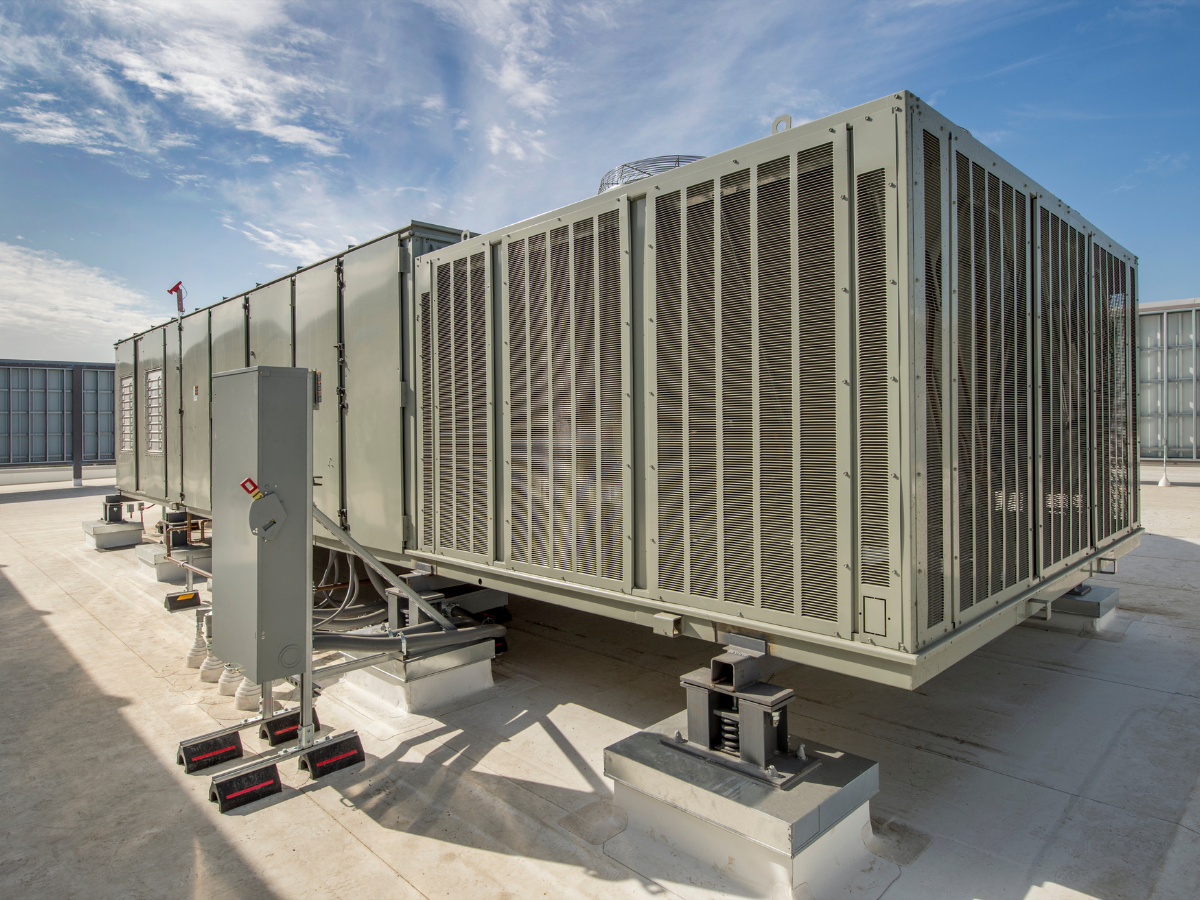
- Undersized or outdated rooftop units that can't keep pace with modern occupancy loads.
- Leaky or disconnected ductwork in older wings, which wastes conditioned air and pulls in unfiltered attic or crawlspace air.
- Inconsistent humidity control is a real problem during Oklahoma's humid spring and summer months, encouraging mold growth in ceiling tiles and carpet.
- Clogged or low-grade filters that get changed on a budget schedule rather than a performance schedule.
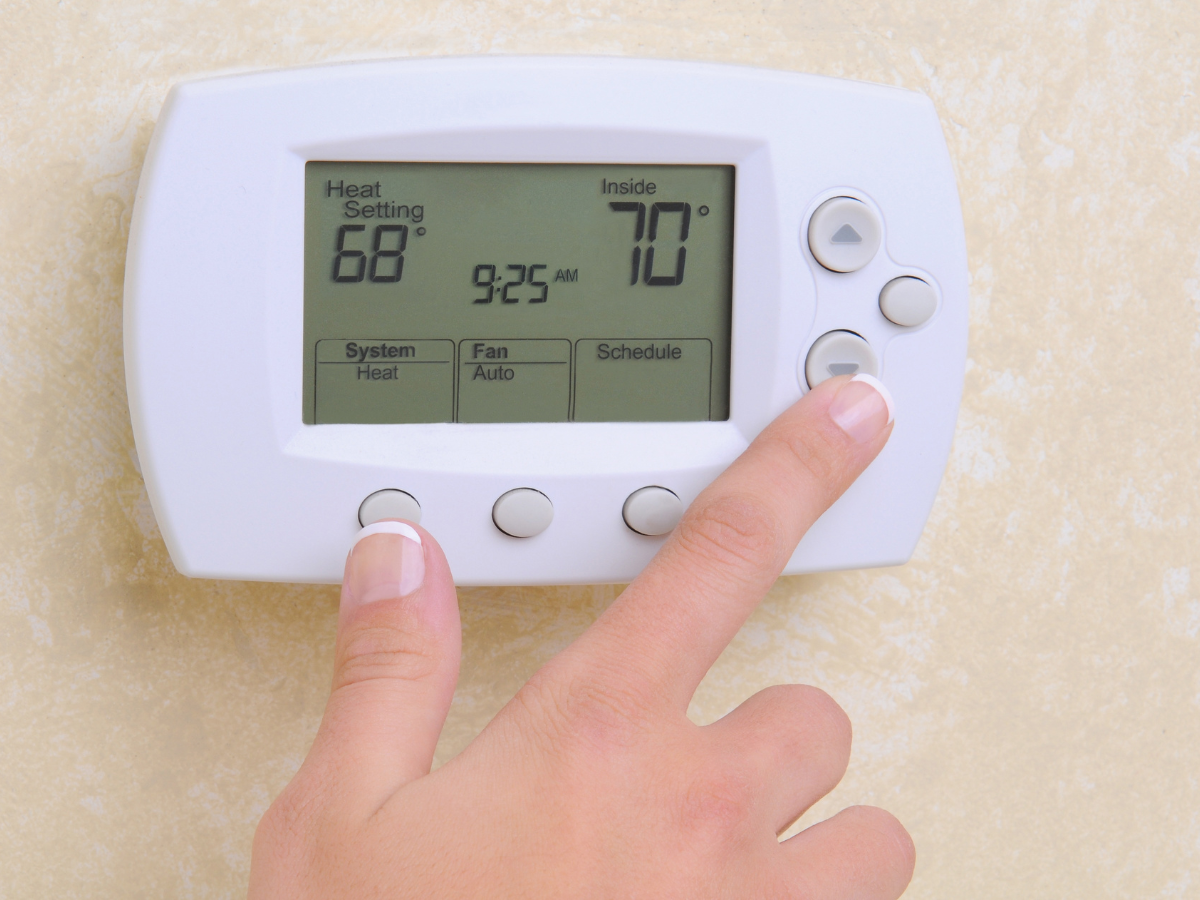
- Thermostat and zoning issues in multi-wing buildings, where a single thermostat controls airflow for rooms with widely varying occupancy levels.
Any one of these issues can push a facility out of compliance with IAQ guidelines, even if the HVAC system looks fine on the surface.
The Overlooked Risk: Portable Classrooms and Aging Ductwork
Most of the time, discussions about indoor air quality in schools take place concerning the primary structure and overlook the portable buildings used by the Bixby schools. The portables usually operate on separate HVAC systems with little ducting, inefficient air filtration, and no link to the building's central monitoring system. This means that portables are the easiest places for ventilation to go unnoticed and fall short of standards.
Another example is aging ducting. An old ducting system has been designed based on other criteria, such as occupancy and code. Adding filters and increasing the flow rate without upgrading the ducting will yield poor results. Any good IAQ plan must include a duct inspection.
Trusted HVAC Support for Bixby Schools and Daycares
Meeting the IAQ standards in Oklahoma requires more than just an operational thermostat. It needs adequate equipment size, proper ductwork, good filtration, and regular maintenance to keep up with the increasing number of students. HVAC Bixby school facilities that meet all these standards promote the health of the students, save from licensing problems, and prevent future expensive emergency fixes. It is better to conduct a checkup now than pay for a broken system during the exam period and licensing.
For a school or daycare facility working through an IAQ compliance issue, Air Masters Inc can be reached to schedule an inspection.
Frequently Asked Questions
How much ventilation do Bixby classrooms need to meet IAQ standards?
Most classrooms require about 15 cubic feet per minute (CFM) of outdoor air per person to maintain proper ventilation, according to ASHRAE 62.1, a standard commonly referenced for educational facilities. Proper airflow helps control carbon dioxide levels and improve indoor comfort for students and staff.
Are HVAC requirements different for daycares compared to schools in Oklahoma?
Yes. Daycare facilities must comply with Oklahoma state licensing requirements and applicable building codes. Because infants and toddlers are more sensitive to indoor air pollutants, daycare HVAC systems often require extra attention to ventilation, filtration, and air quality management.
What filter rating is recommended for school HVAC systems?
MERV 13 filters are generally recommended for many school HVAC systems because they can capture smaller airborne particles while still allowing proper airflow through properly designed equipment.
Can portable classrooms meet the same IAQ standards as the main school building?
Yes, portable classrooms can meet indoor air quality standards, but they often require more frequent monitoring. These units may have separate ventilation systems and filtration setups, so regular inspections are important to ensure they maintain healthy indoor conditions.