BLOGS
Multi-Zone Commercial HVAC for Tulsa Office Buildings: Planning Guide
Managing comfort in an office building isn't as simple as setting one thermostat and forgetting about it.
As employees move between meeting rooms, offices, and shared workspaces throughout the day, different areas naturally require different levels of heating and cooling. That's where many buildings begin to show the limitations of a traditional HVAC setup.
For businesses looking to improve comfort and energy efficiency, commercial HVAC Tulsa solutions are built around multi-zone systems known to offer a smarter approach. Instead of forcing every room to operate at the same temperature, zoning allows each area to be conditioned based on how it's actually used, creating a more comfortable workplace while helping reduce unnecessary energy costs.
What Multi-Zone HVAC Actually Means for an Office Building
Think about how your office operates throughout the day. A conference room filled with people during a morning meeting doesn't need as much cooling as a quiet private office. Likewise, a server room generates heat around the clock, while the reception area may only be busy during business hours. Treating every space the same simply isn't efficient.
That's where a multi-zone HVAC system makes a difference. Instead of relying on one thermostat to control the entire building, the system divides your office into separate zones.
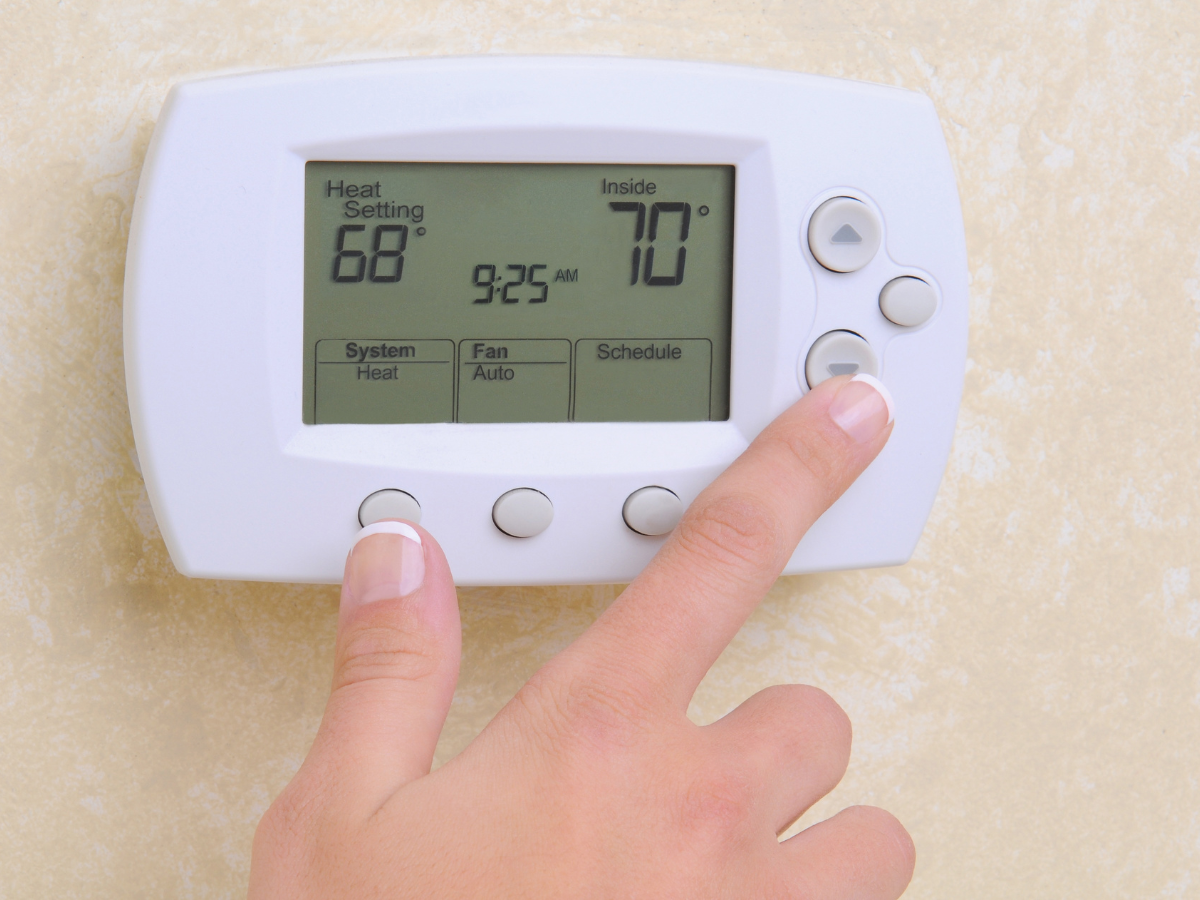
Each zone has its own thermostat and airflow controls, allowing it to maintain the temperature that's right for that specific area. Behind the scenes, dampers, sensors, and zone controllers work together to direct conditioned air where it's needed most, improving both comfort and efficiency.
For many Tulsa office buildings, zoning naturally follows the way the space is used:
- Sun-Facing Offices: Rooms that receive direct afternoon sunlight typically heat up much faster than interior spaces and often require additional cooling during the summer.
- High-Occupancy Areas: Break rooms, conference rooms, and open office spaces generate more heat as people gather, making independent temperature control especially valuable.
- Equipment Rooms: Server rooms, IT closets, and copy rooms produce heat throughout the day and often need cooling even when the rest of the building doesn't.
- Different Operating Schedules: Some areas are occupied only during business hours, while others may need climate control well into the evening or even 24/7.
The goal isn't to install a larger HVAC system but to install a smarter one. A well-designed zoning system delivers heating and cooling where it's needed, when it's needed, helping create a more comfortable workplace while reducing unnecessary energy use.
That's why many businesses investing in
commercial HVAC Tulsa solutions are choosing multi-zone systems that are designed around how their buildings actually function, not just their square footage.
The Planning Questions Most Buildings Skip
A lot of Tulsa office buildings end up with an uneven, expensive system because zoning gets tacked on after the fact instead of planned up front. Before committing to equipment, a few questions deserve real answers:
- How many distinct temperature zones does the floor plan actually need?
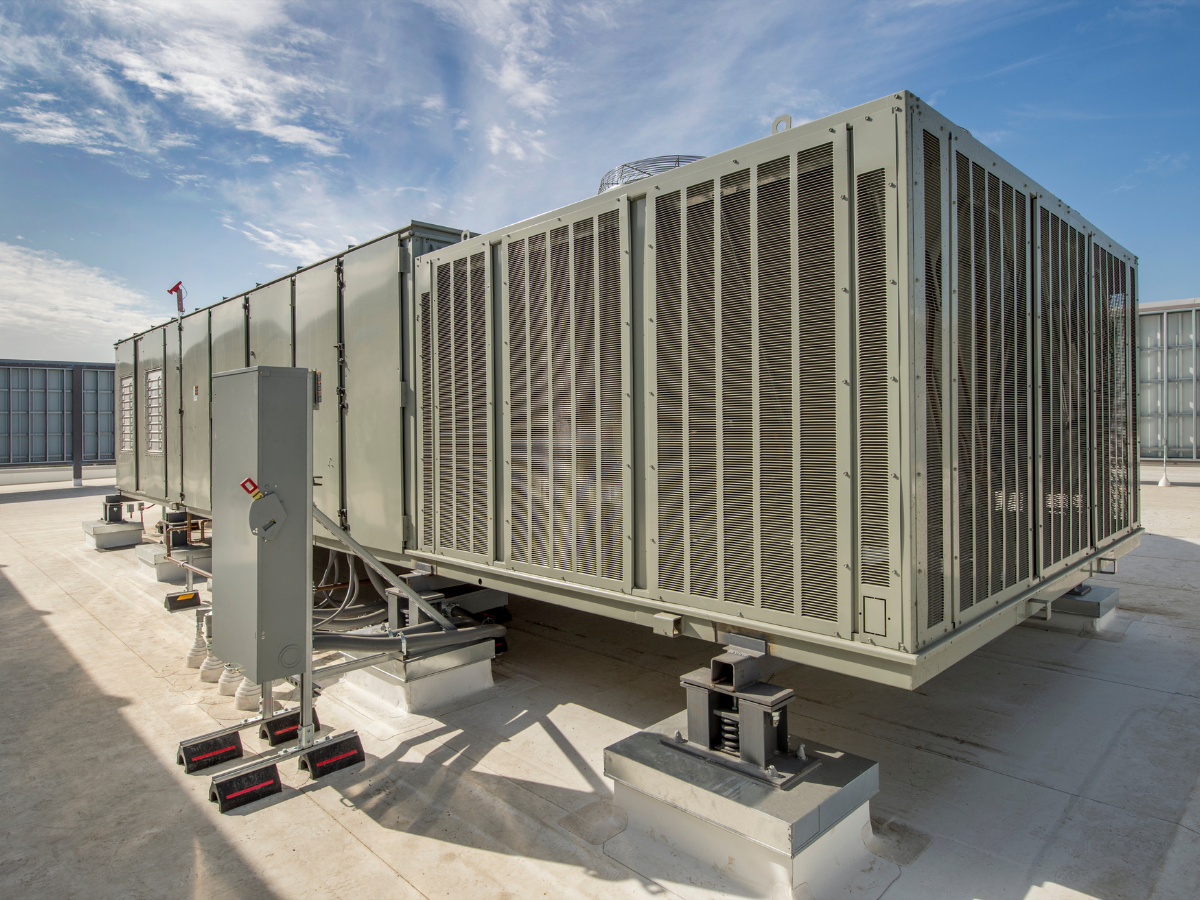
- Is the building working with rooftop package units, a split system, or is a VRF (variable refrigerant flow) setup a better fit for the layout?
- What's the current ductwork condition?
- What's the realistic budget for controls, not just tonnage?
Air quality monitoring for businesses is another consideration, particularly in offices with high occupancy or limited fresh-air circulation. Monitoring helps identify ventilation and indoor air quality issues before they affect employees.
Choosing the Right System Type for a Tulsa Building
Not every multi-zone approach fits every building, and this is where a lot of guesswork creeps in.
- Rooftop package units with zone dampers remain the norm for single-story and low-rise Tulsa office buildings, largely because they're reliable, well understood locally, and easier to service.
- VRF systems offer more precise, room-by-room control and tend to shine in mixed-use or multi-tenant buildings where different spaces need heating and cooling simultaneously.
- Ductless mini-splits work well for additions, retrofits, or spaces where running new ductwork isn't practical, providing each room with independent control without affecting the existing duct system.
The right answer usually depends on the building's age, current equipment, and how much flexibility future tenants will need. For commercial HVAC for medical offices, zoning can be especially useful because treatment rooms, waiting areas, and administrative spaces may have different comfort and ventilation needs.
Getting It Right the First Time
A multi-zone HVAC system isn't a luxury for Tulsa office buildings but a smarter way to keep employees comfortable and your building running efficiently. The most successful systems start with proper planning, including accurate load calculations, equipment that's suited to the building's layout, and zoning controls that deliver heating and cooling where it's needed most. Getting these details right from the beginning can mean lower energy bills, fewer repairs, and fewer temperature complaints down the road.
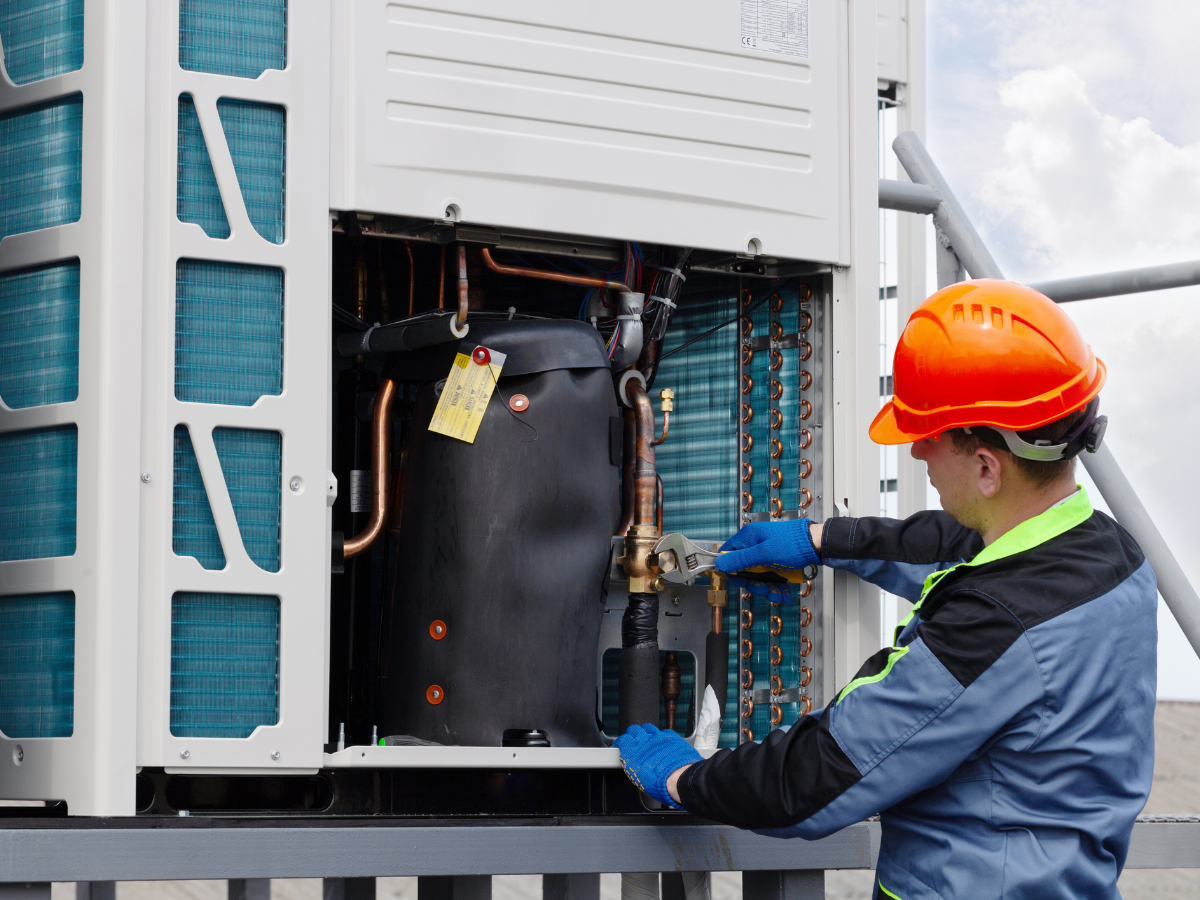
Proper zoning system installation is also important, since poorly placed dampers or sensors can create uneven temperatures instead of solving them.
At
Air Masters Inc, we help businesses design
commercial HVAC Tulsa solutions that are built around how their buildings actually operate, ensuring long-term comfort, efficiency, and reliability.