BLOGS
Commercial HVAC for Medical Offices in Jenks: Compliance & Comfort
Medical offices cannot afford to treat HVAC as just another building system. Unlike traditional office spaces, healthcare facilities need precise temperature control, proper ventilation, and consistent indoor air quality to support patients, staff, and daily operations.
Whether it is a family practice, dental clinic, urgent care center, or specialty medical facility, the HVAC system plays an important role in maintaining a comfortable, healthy, and reliable environment.
A properly designed and maintained medical office HVAC Jenks system does more than keep rooms cool in the summer and warm in the winter. It helps improve indoor air quality, meets ventilation requirements, reduces unexpected disruptions, and ensures the facility continues to operate smoothly when patients and providers depend on it most.
Many companies focus on general commercial HVAC installation, repairs, and maintenance. However, medical offices have specific needs that require a more detailed approach, including air quality concerns, preventative maintenance planning, system reliability, and long-term performance.
This guide explores what medical office owners should know when choosing and maintaining an HVAC system designed for their facility.
Why Medical Offices Have Different HVAC Requirements
A medical office isn't just another commercial building. Every day, patients with different health conditions share waiting rooms, examination areas, consultation rooms, and treatment spaces. For residential properties, a whole-home humidifier in Jenks can provide more consistent humidity control, especially during Oklahoma's dry winter months.
An effective
medical office HVAC Jenks system helps support:
- Consistent indoor temperatures throughout the facility
- Proper ventilation and fresh air circulation
- Cleaner indoor air through effective filtration
- Humidity maintained at a healthy level
- Comfortable environment for healthcare workers
- Performance throughout the fluctuating Oklahoma weather
Even minor temperature fluctuations or improper airflow can cause discomfort for patients and place additional strain on the HVAC system. Larger facilities may also benefit from
multi-zone commercial HVAC for Tulsa businesses, allowing different areas to maintain separate temperature settings based on their use and occupancy.
Indoor Air Quality Is More Important Than Ever
Medical offices experience constant foot traffic throughout the day, increasing airborne particles, allergens, bacteria, dust, and other contaminants. While HVAC systems aren't designed to eliminate every airborne concern, proper filtration and ventilation play an important role in maintaining healthier indoor environments.
A quality commercial HVAC system may include:
High-Efficiency Air Filtration
Modern filtration helps capture dust, pollen, and other airborne particles before they continue circulating throughout the building.
Proper Ventilation
Fresh outside air is important for diluting indoor pollutants and improving air quality.
Humidity Management
A balanced humidity level helps to ensure comfort in an indoor environment and avoid moisture problems.
Air Distribution
Airflow ensures there are no areas where the temperature is either too high or too low. Regular maintenance will ensure smooth performance of these systems all year round.
Compliance Starts With Proper HVAC Design
Healthcare buildings often operate under stricter indoor environmental expectations than standard office buildings.
Although HVAC requirements vary depending on the type of medical practice and applicable local or industry regulations, professionally designed systems help support:
- Reliable ventilation
- Appropriate air exchange
- Equipment performance
- Occupant comfort
- Long-term system efficiency
Working with experienced commercial HVAC professionals helps ensure the system is properly sized, installed, and maintained rather than relying on generic commercial solutions.
Common HVAC Challenges Medical Offices Face in Jenks
Oklahoma weather places significant demands on commercial HVAC systems. Medical offices commonly experience:
Uneven Temperatures
Exam rooms may feel too warm while waiting areas become overly cool.
Poor Airflow
Restricted airflow often leads to uncomfortable spaces and increased equipment strain.
Increasing Energy Costs
An older or neglected system requires more energy to produce the same amount of comfort.
Unplanned Failures
HVAC failures can disrupt meetings, affect the patient experience, and, in extreme cases, cause you to shut down temporarily.
Preventative Maintenance Protects Patient Comfort
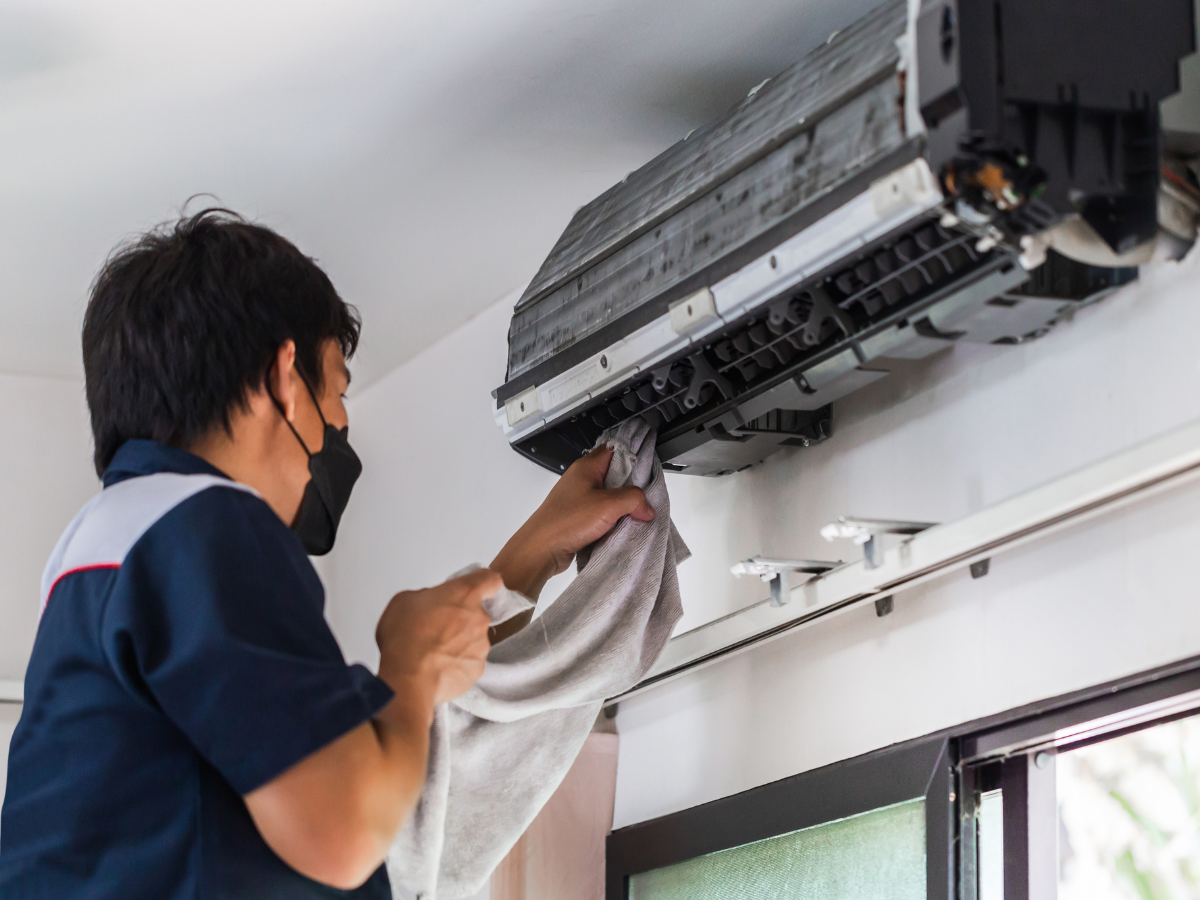
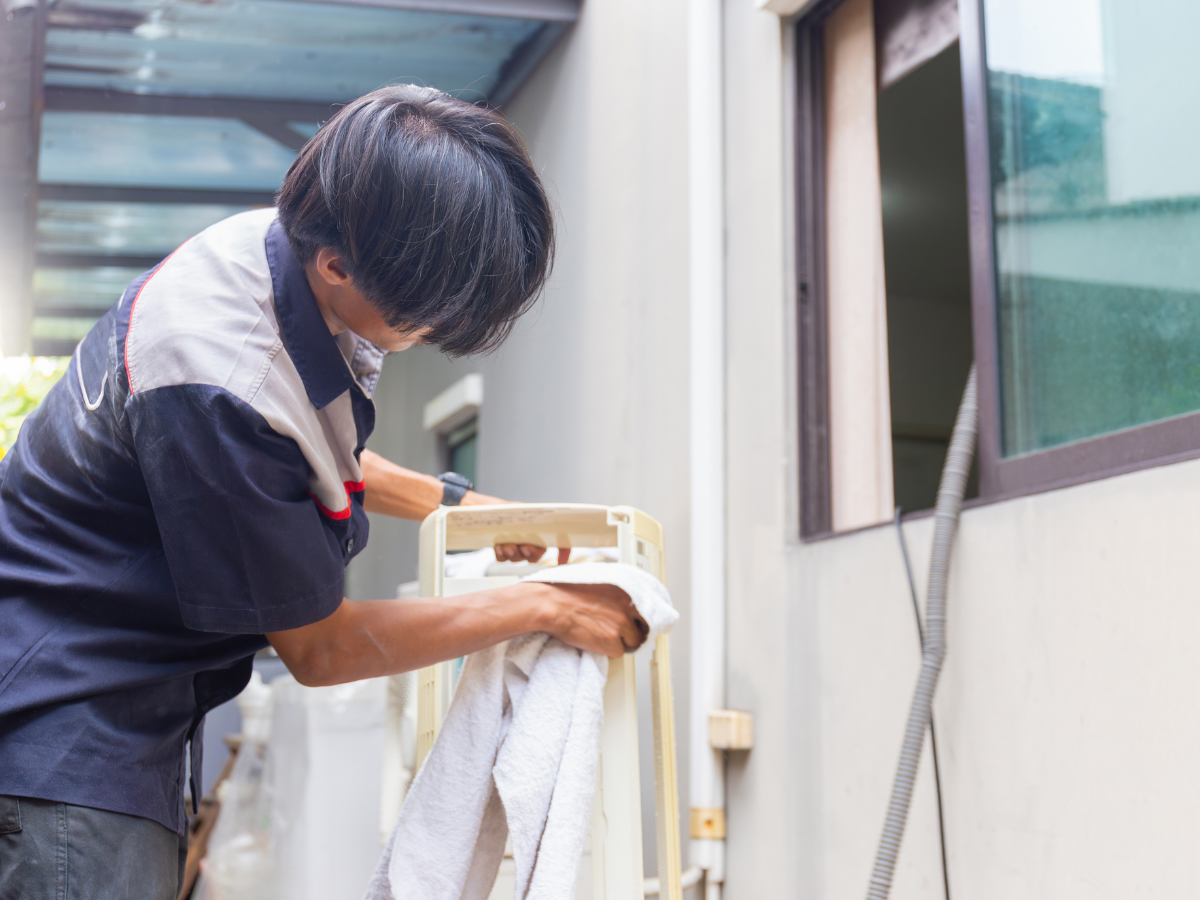
Waiting until the HVAC system stops working is rarely the most cost-effective approach. Preventative maintenance allows technicians to identify small issues before they become expensive repairs.
Regular commercial maintenance typically includes:
- Inspecting electrical components
- Testing thermostats
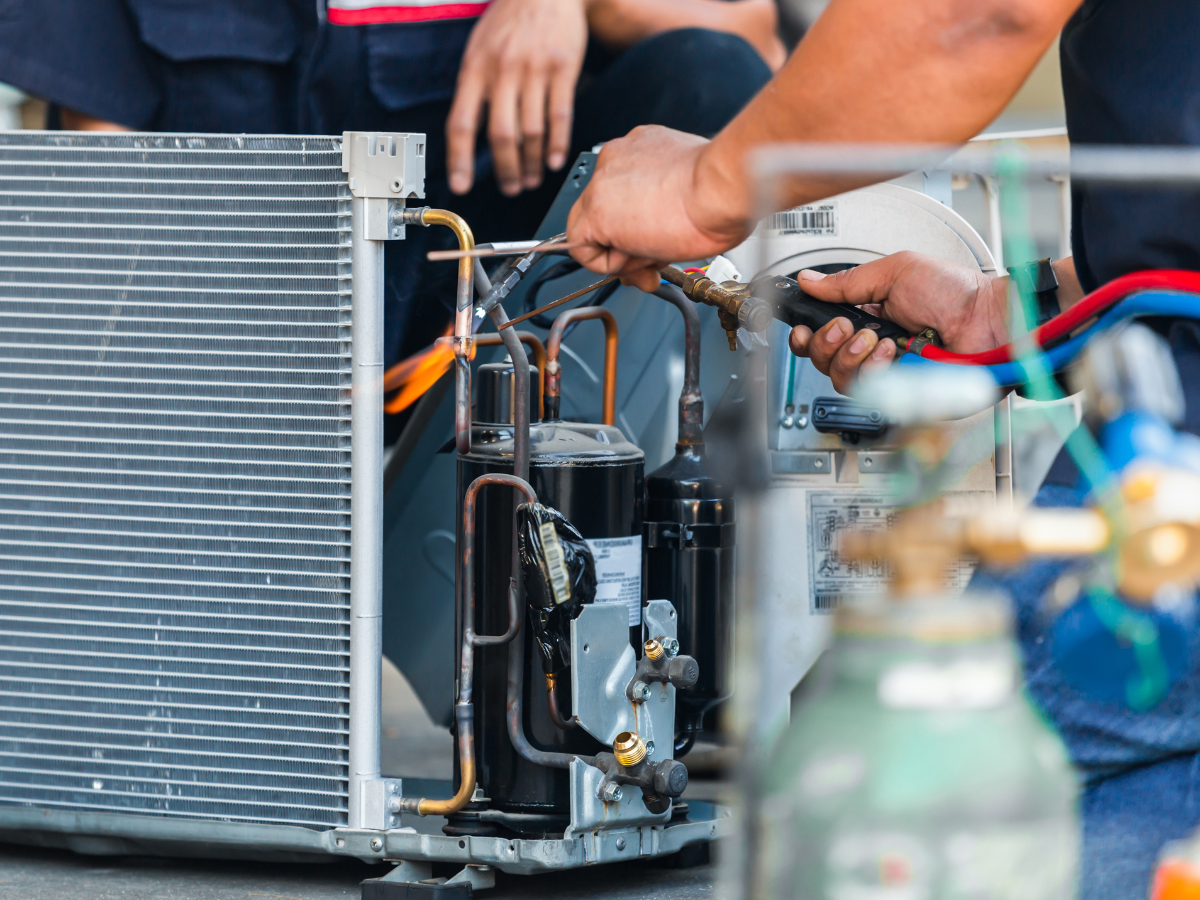
- Checking refrigerant levels
- Cleaning coils
- Evaluating airflow
- Inspecting ductwork
- Replacing air filters
- Verifying overall system performance
Routine maintenance also helps extend equipment lifespan while improving energy efficiency and reducing unexpected downtime.
Choosing the Right Commercial HVAC Partner in Jenks
Not every HVAC contractor understands the unique needs of healthcare environments.
When selecting a provider for medical office HVAC Jenks, consider whether they offer:
- Commercial HVAC experience
- Accurate system diagnostics
- Preventative maintenance programs
- Installation services
- Repair expertise
- Indoor air quality solutions
- Responsive customer service
- Experience servicing multiple HVAC brands
A knowledgeable contractor focuses on long-term system reliability rather than temporary fixes.
Oklahoma's Climate Makes Reliable HVAC Essential
Jenks experiences extremely hot summers, seasonal humidity, and occasional winter cold snaps. These changing conditions require HVAC systems that can adapt throughout the year without sacrificing performance.
Proper maintenance before each heating and cooling season helps prepare equipment for increased demand while reducing the likelihood of emergency repairs during peak weather.
Planning ahead is particularly important for healthcare facilities where patient care cannot simply pause because of an HVAC failure.
Why Professional Installation Makes a Difference
Even the highest-quality HVAC equipment cannot perform properly if installed incorrectly. Professional installation helps ensure:
- Correct equipment sizing
- Proper airflow balancing
- Safe electrical connections
- Efficient refrigerant performance
- Longer equipment lifespan
- Improved comfort
- Better energy efficiency
An improperly installed system may experience higher operating costs, uneven temperatures, and more frequent service calls.
Take Steps Today
Ensuring comfort and good health in a medical office goes beyond simple heating and cooling of the building. Proper ventilation, temperature regulation, air filtration, and preventive maintenance all go into creating a more pleasant experience for the patients as well as for medical professionals.
Professional medical office HVAC Jenks can increase energy efficiency and decrease unforeseen service interruptions. This will ensure not only the protection of your equipment but also of the environment in the medical office.
Frequently Asked Questions
Why is indoor air quality so important in medical offices?
Medical facilities experience constant patient traffic. Proper ventilation and filtration help improve indoor air quality, enhance comfort, and support a cleaner environment for patients and staff.
Can an outdated HVAC system increase operating costs?
Yes. Older systems typically consume more energy, require more frequent repairs, and often struggle to maintain consistent temperatures, resulting in higher utility expenses.
What are the warning signs that a medical office HVAC system needs repair?
Common signs include uneven temperatures, weak airflow, unusual noises, unpleasant odors, rising energy bills, frequent cycling, and inconsistent indoor comfort.
Should medical offices choose commercial HVAC specialists instead of residential contractors?
Yes. Commercial HVAC systems are generally more complex and require technicians experienced in larger equipment, ventilation requirements, and the operational needs of commercial and healthcare facilities.